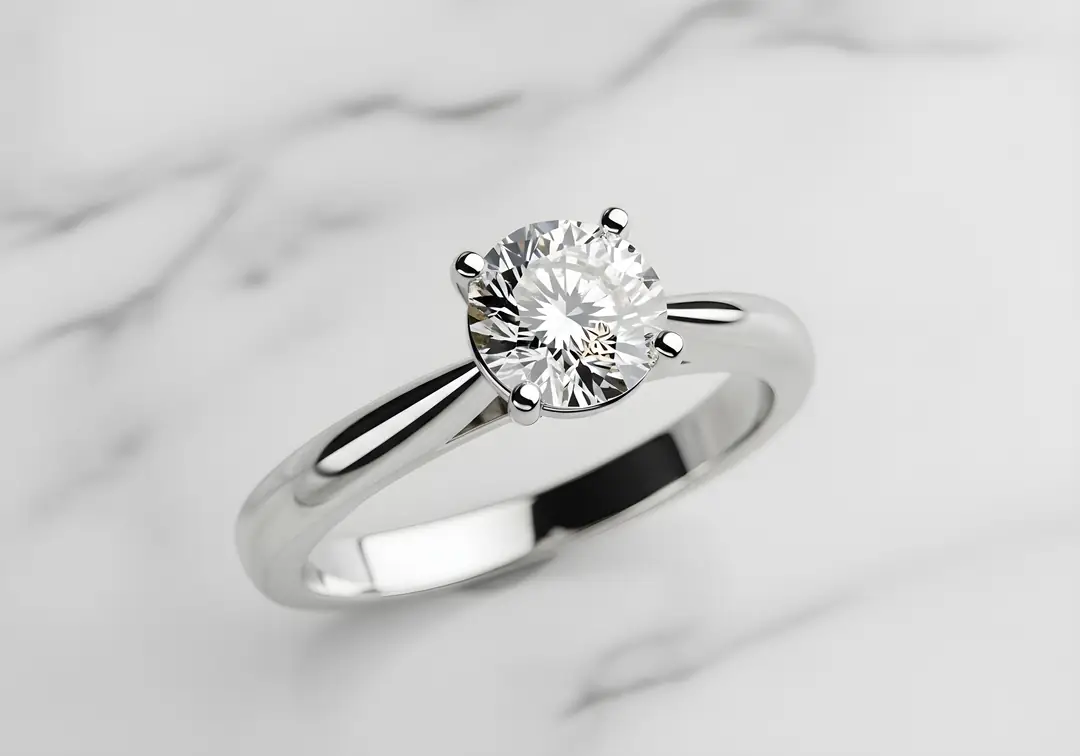
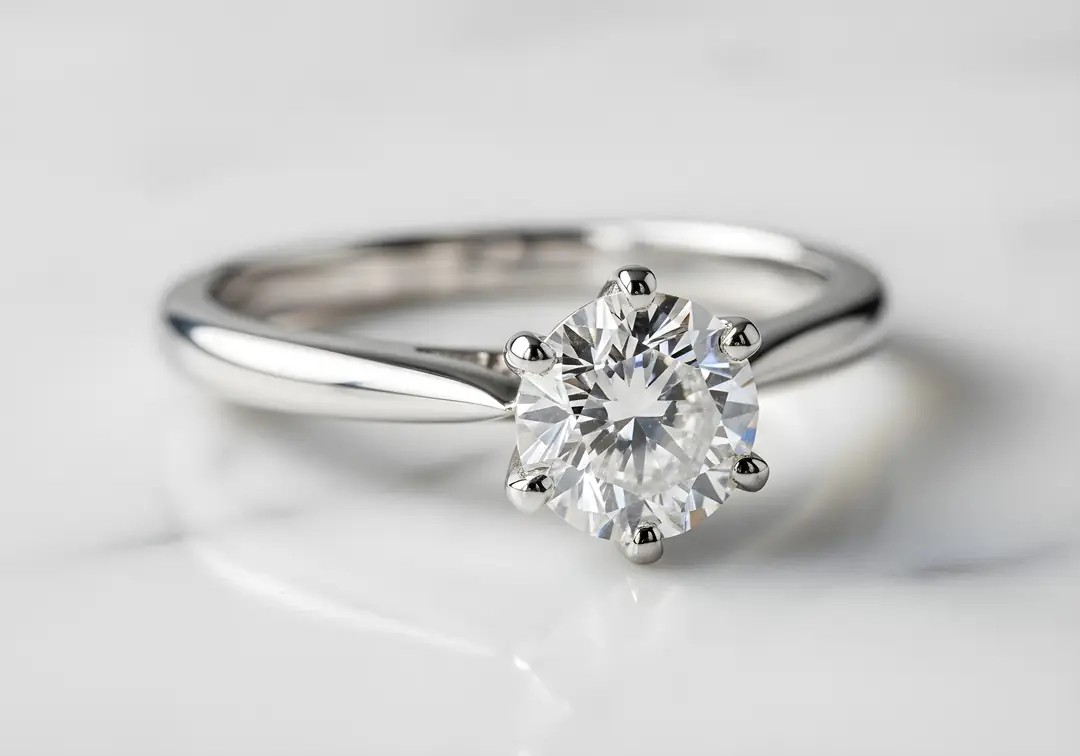
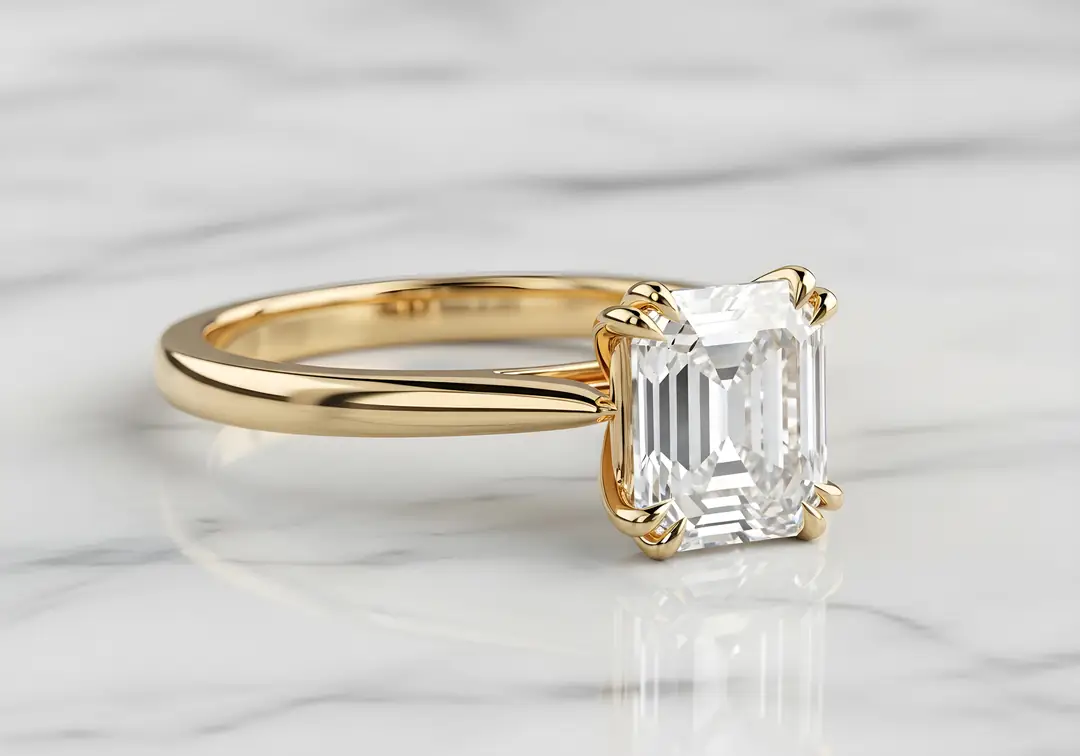
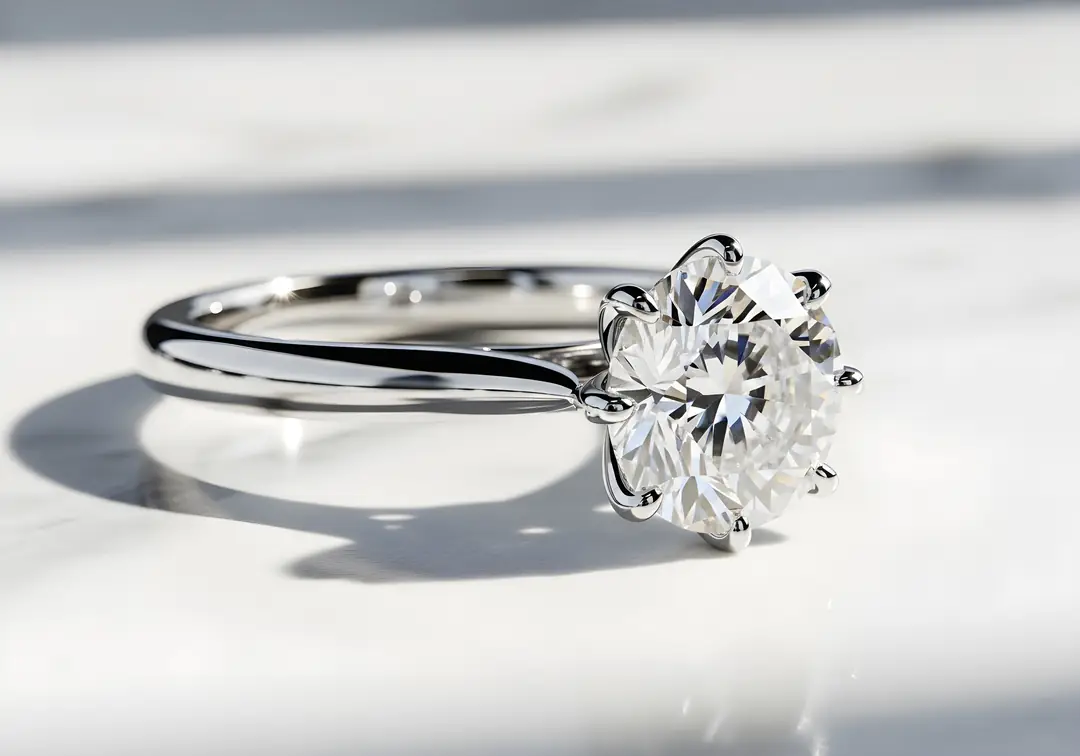
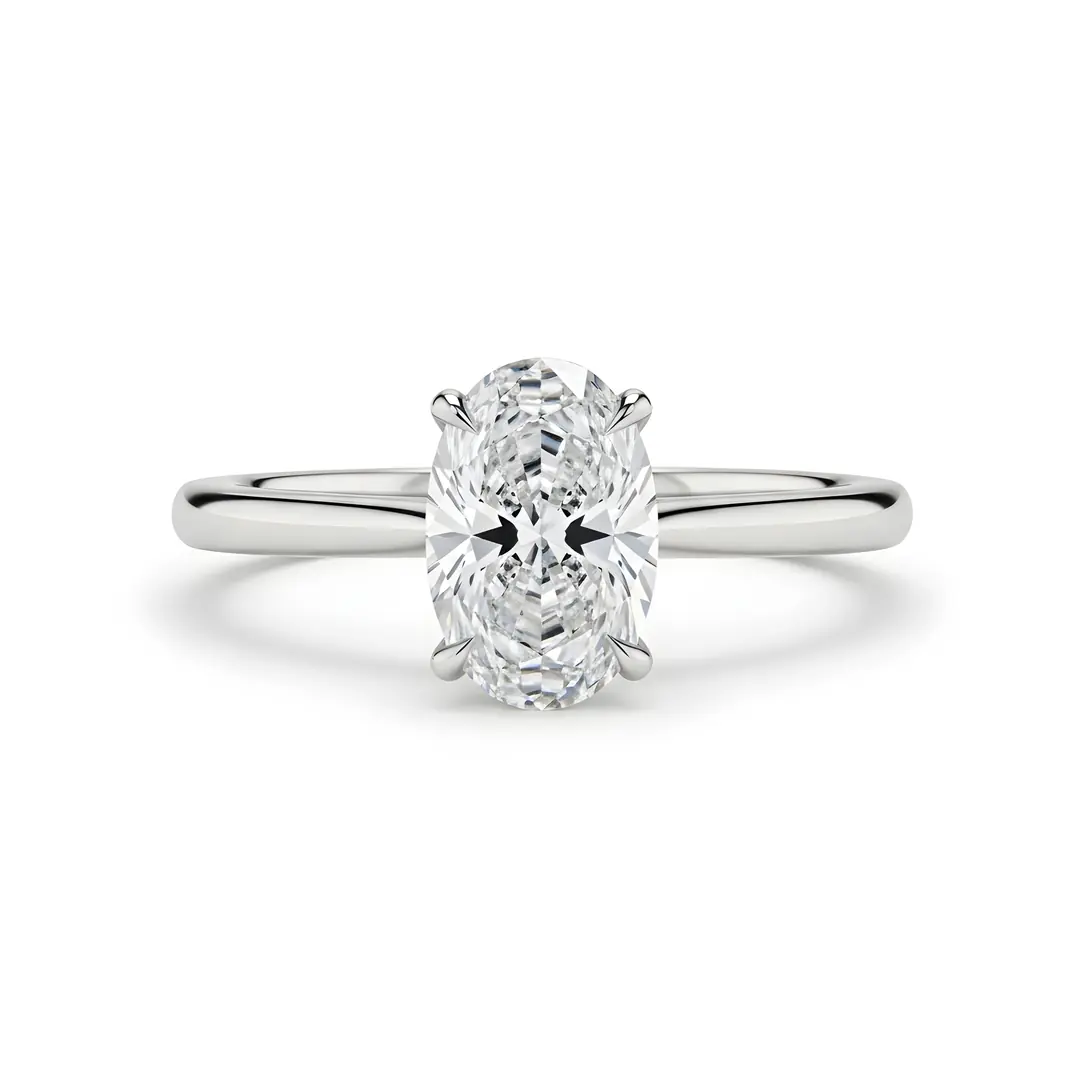
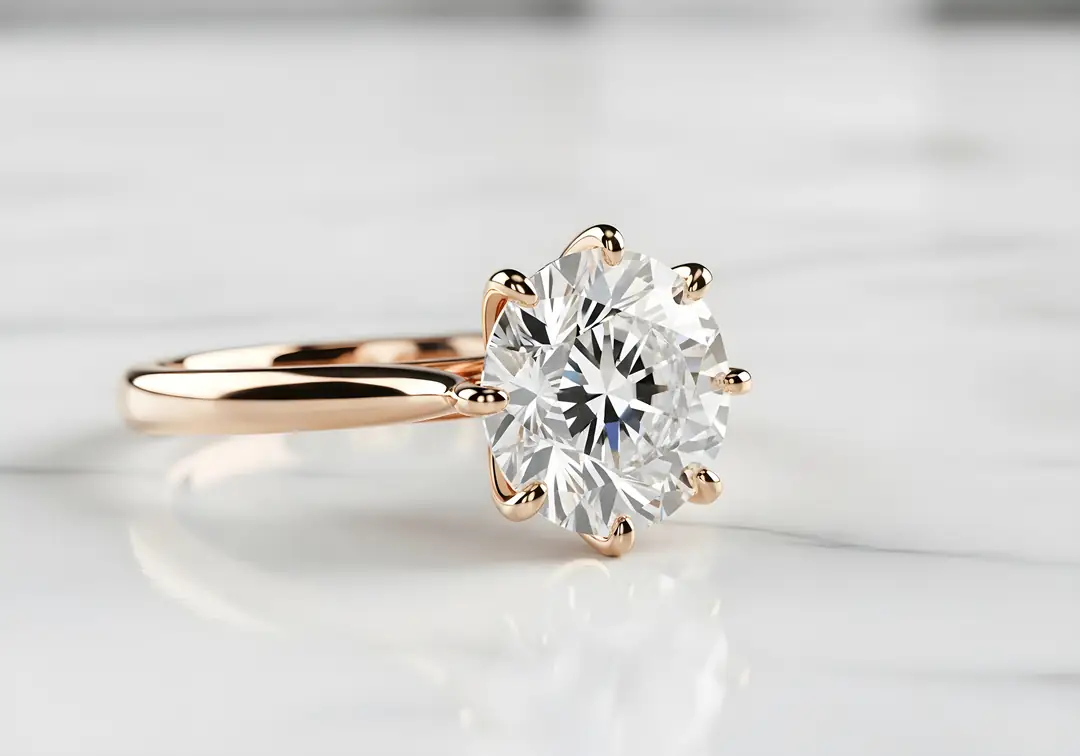
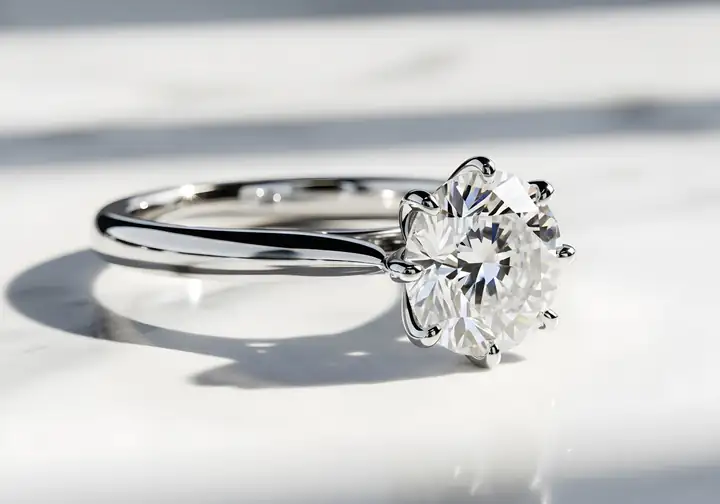
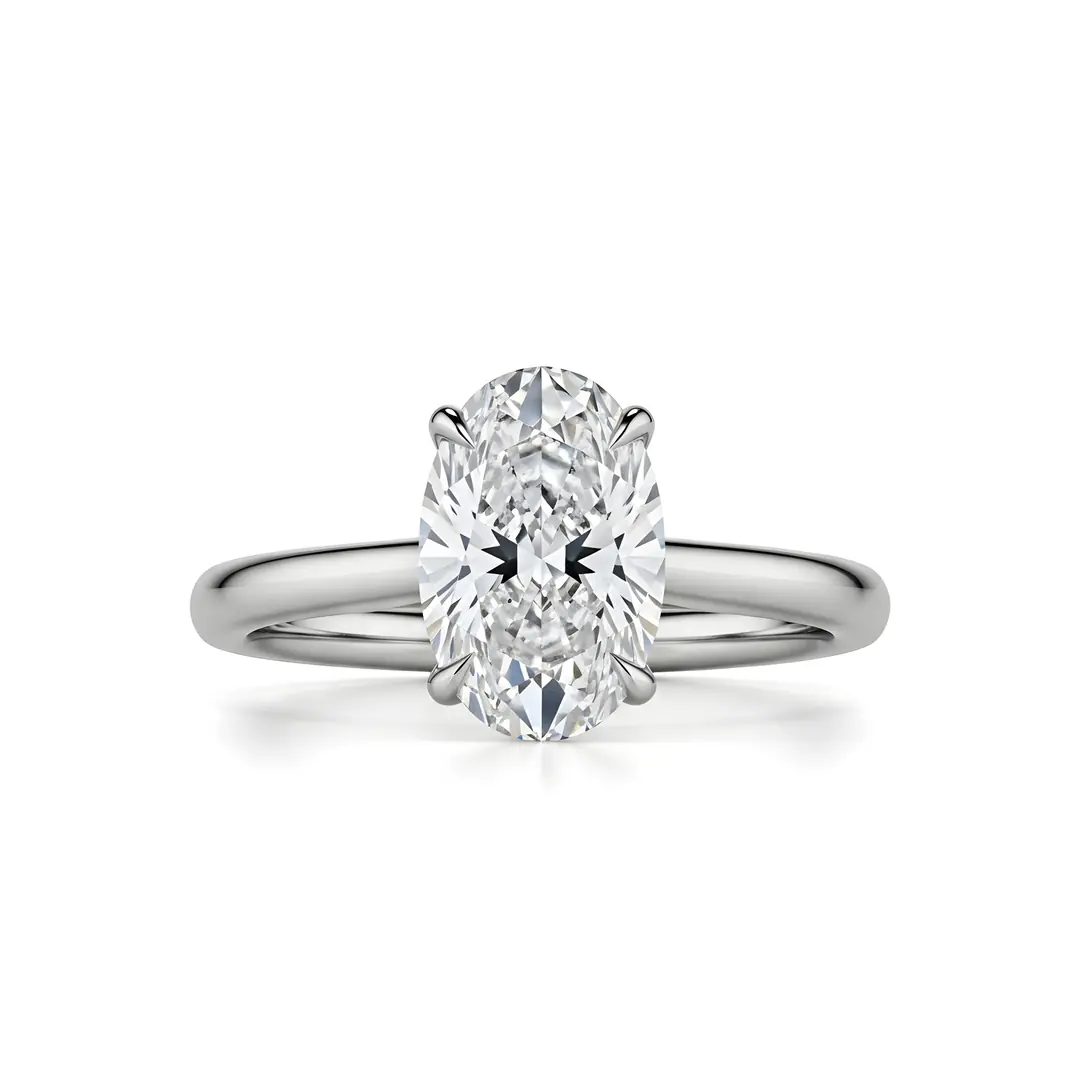
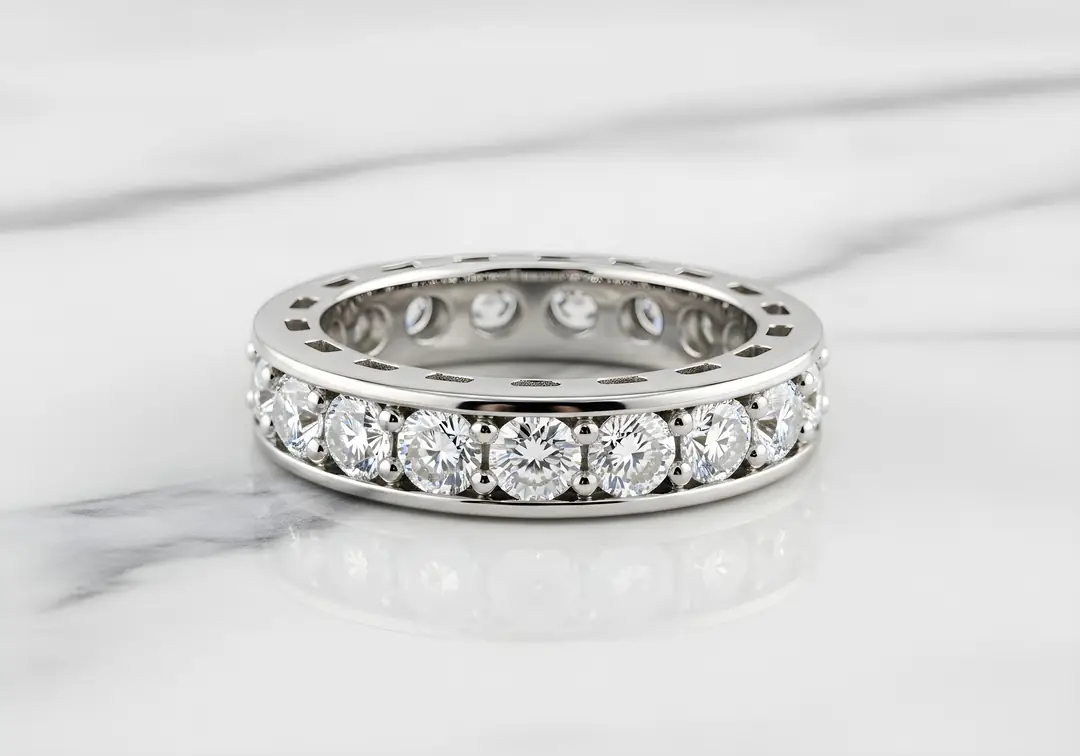
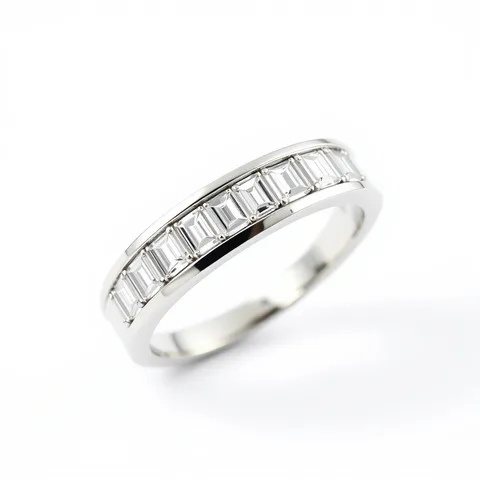
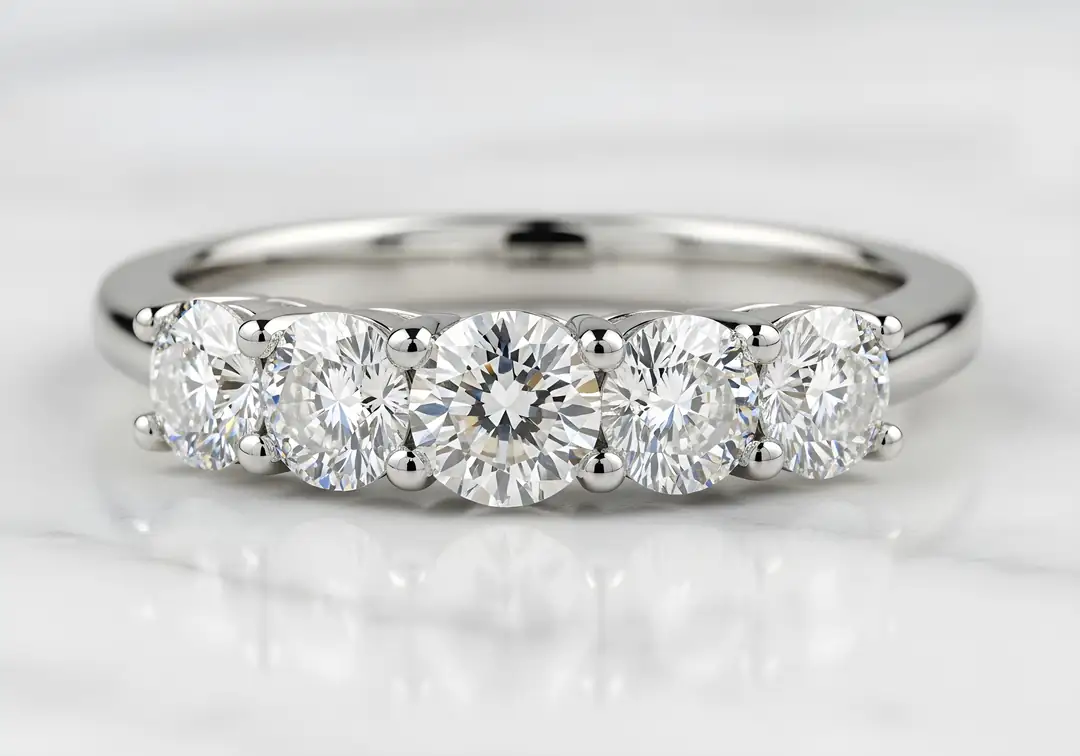
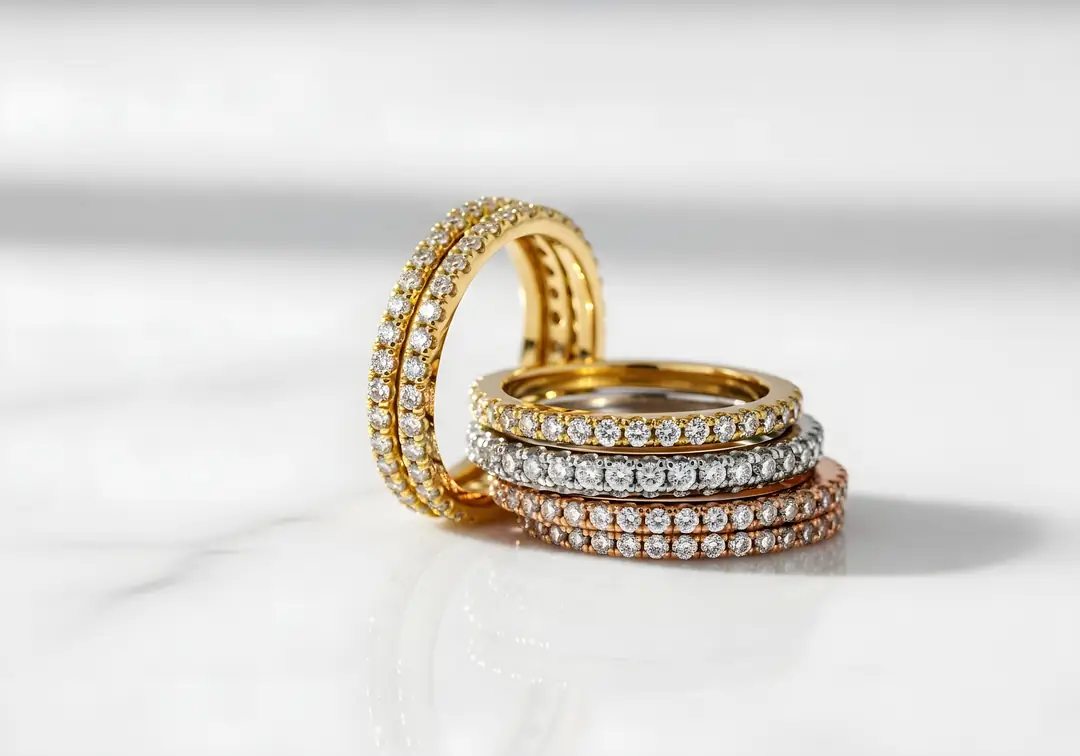
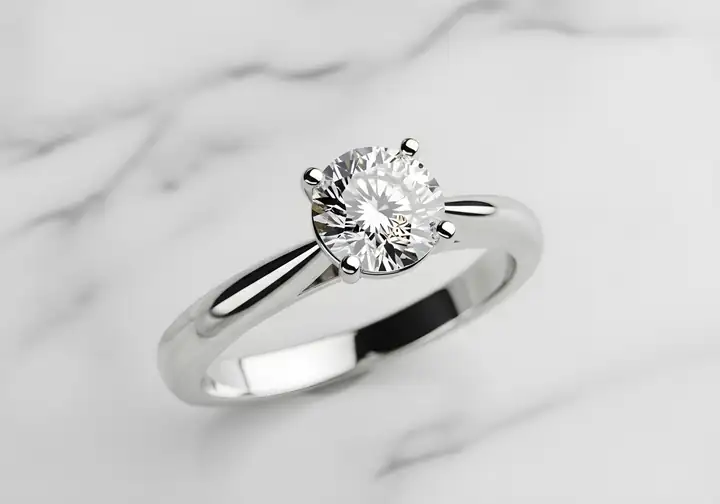
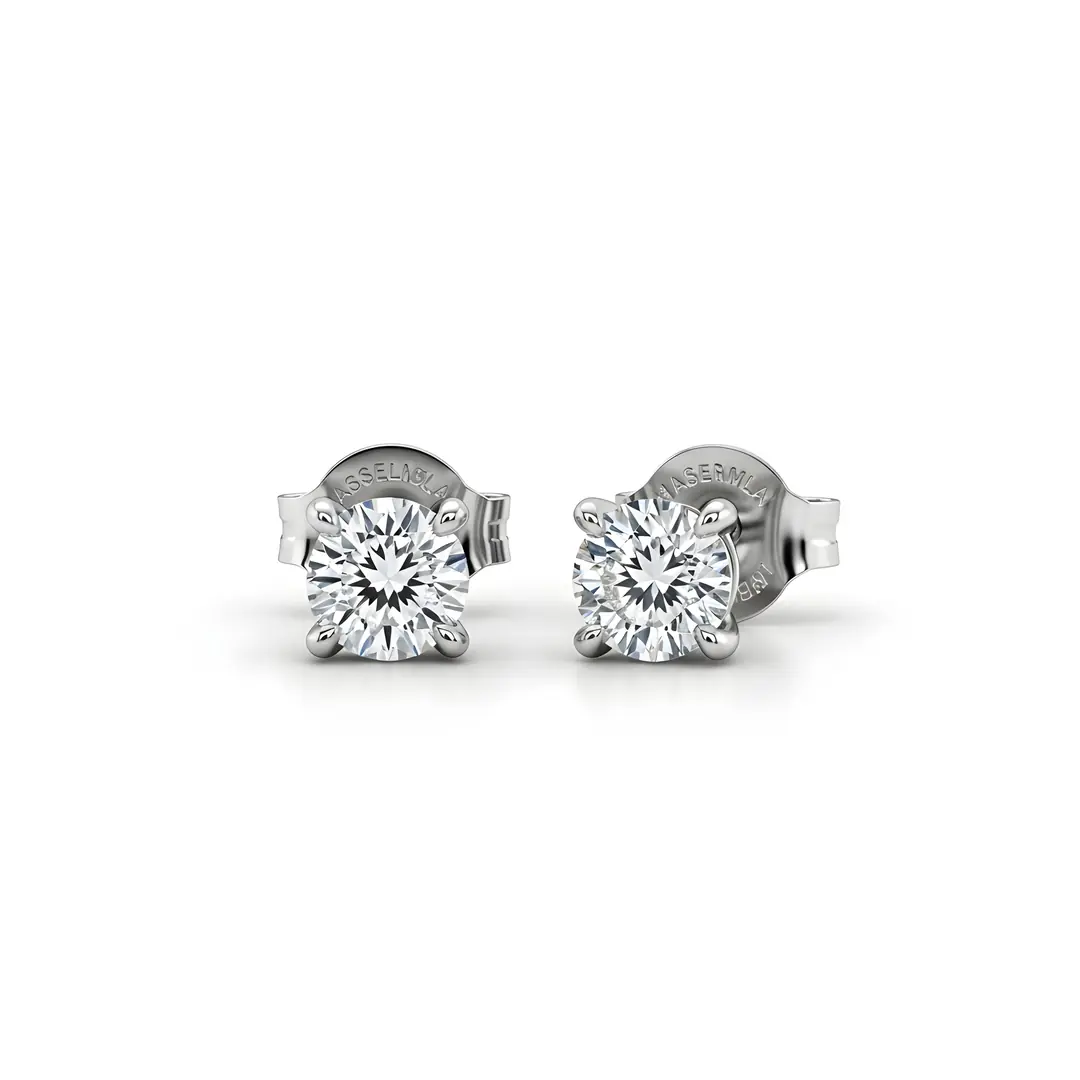
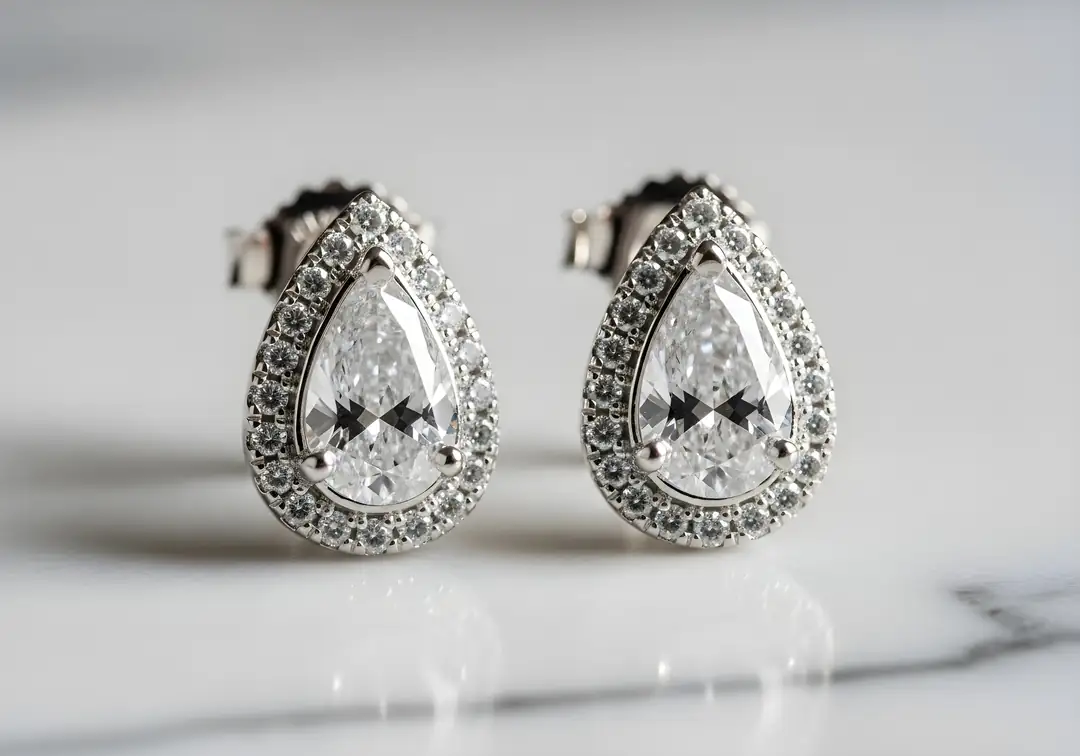
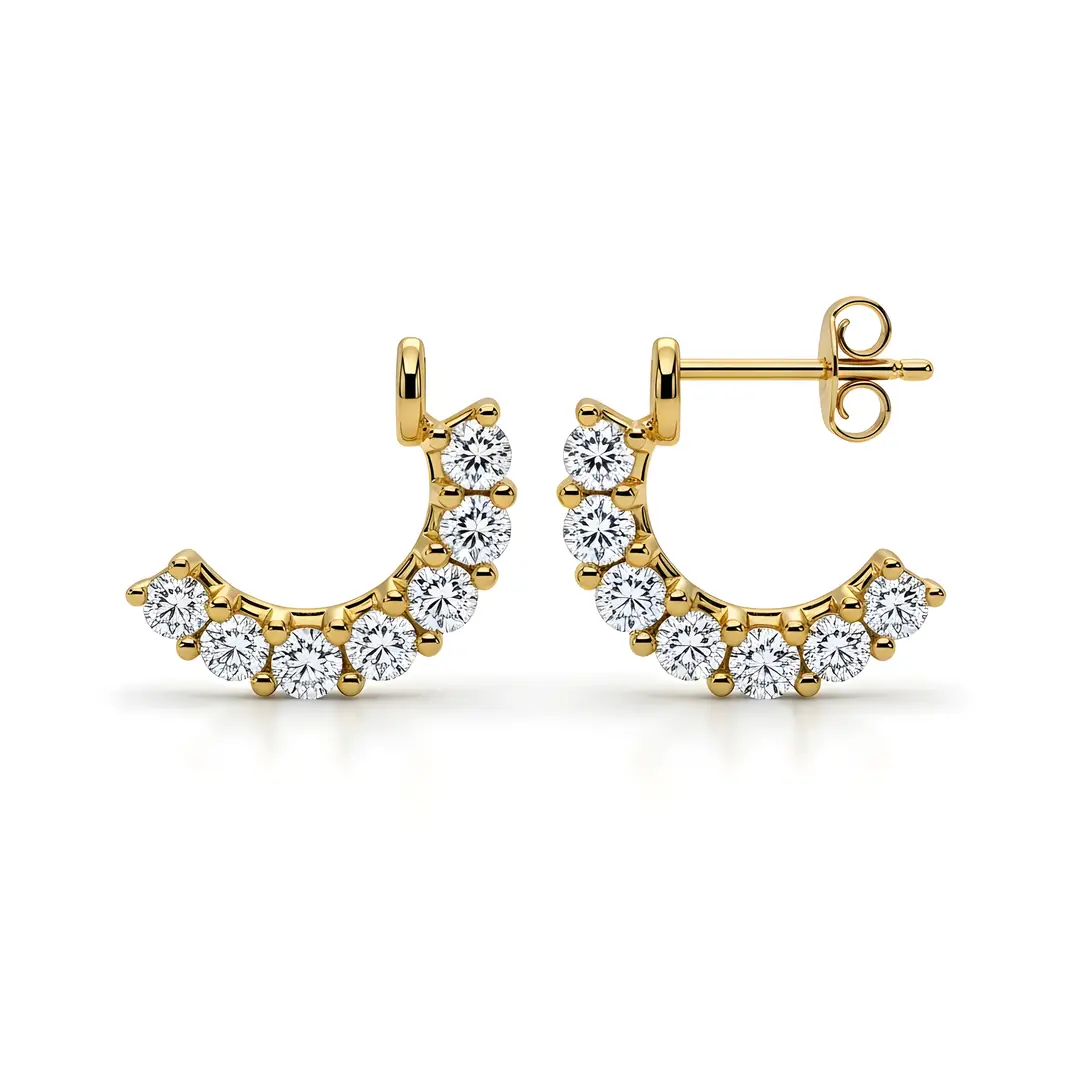
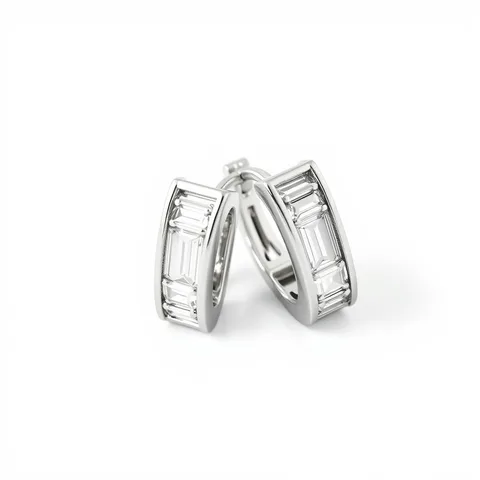
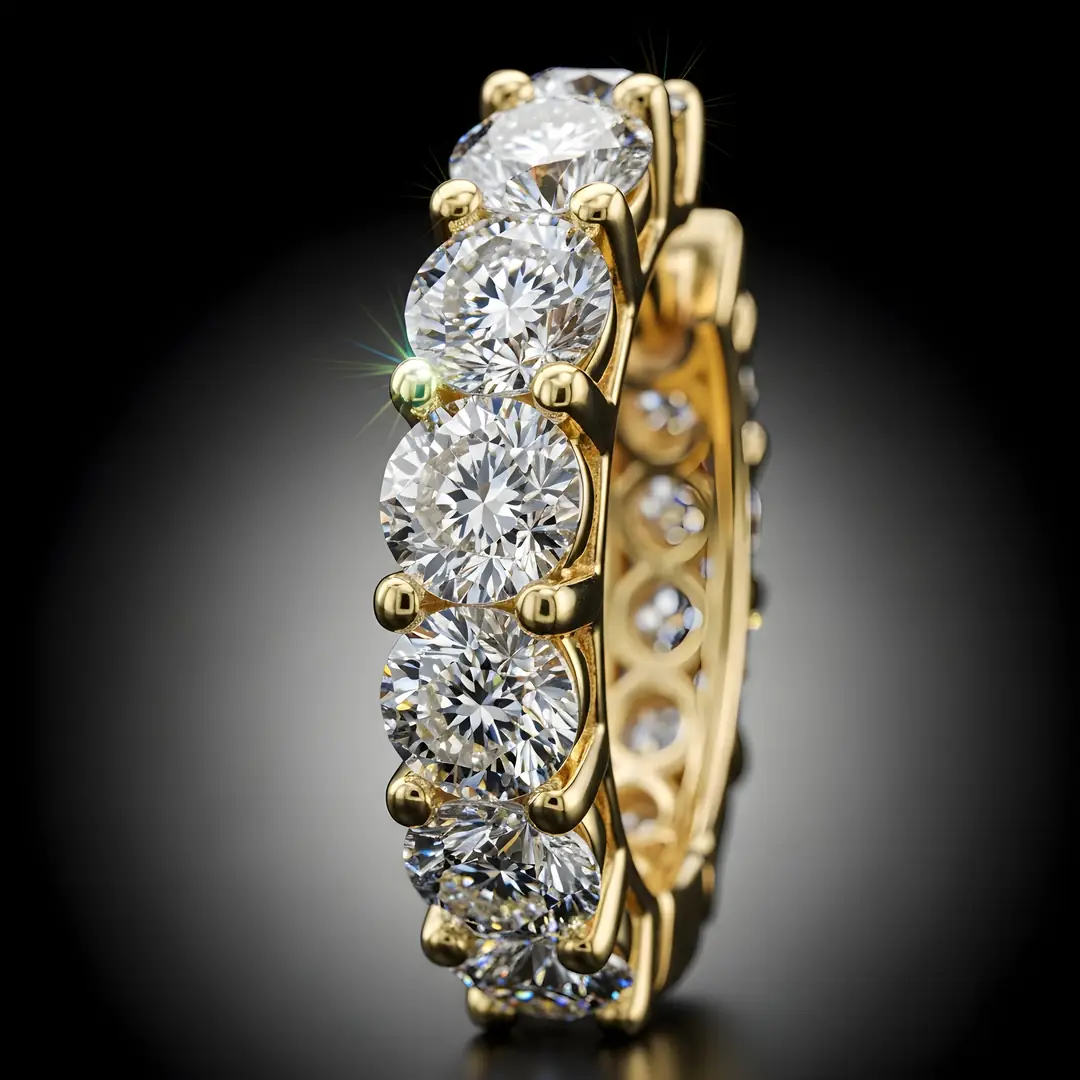
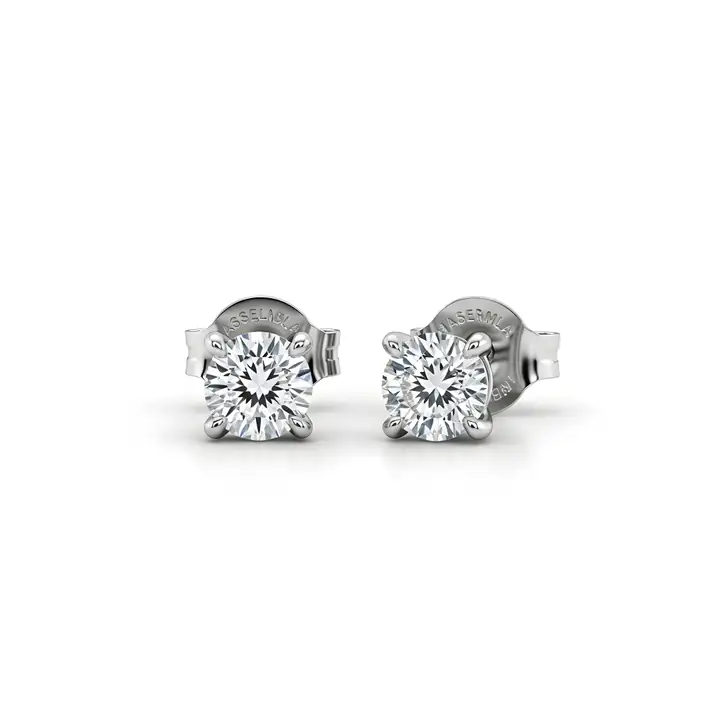
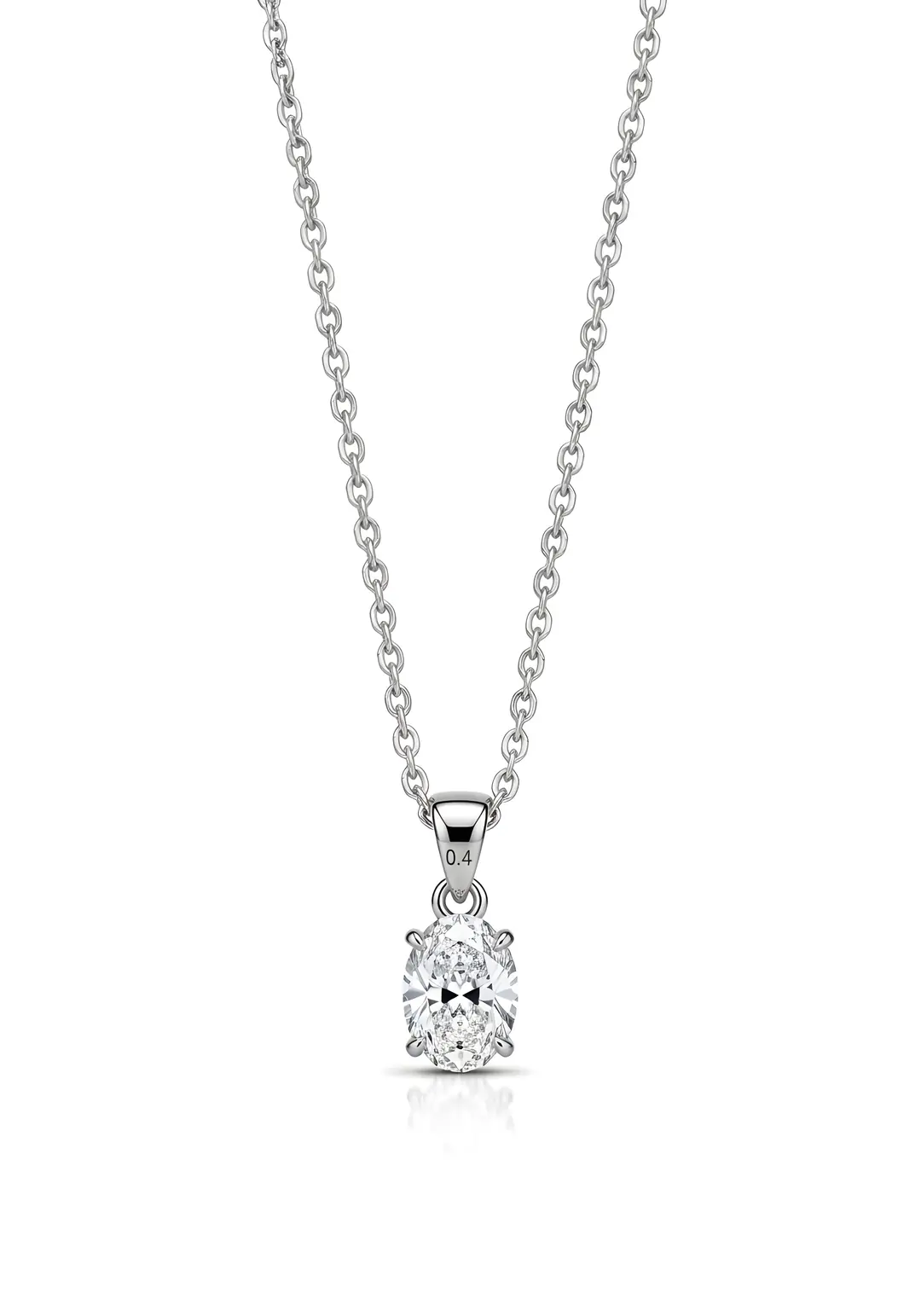
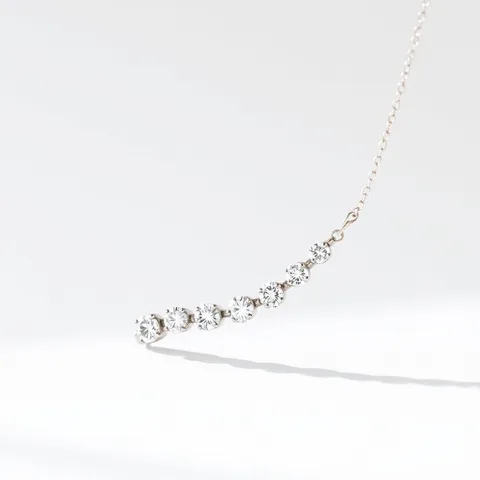
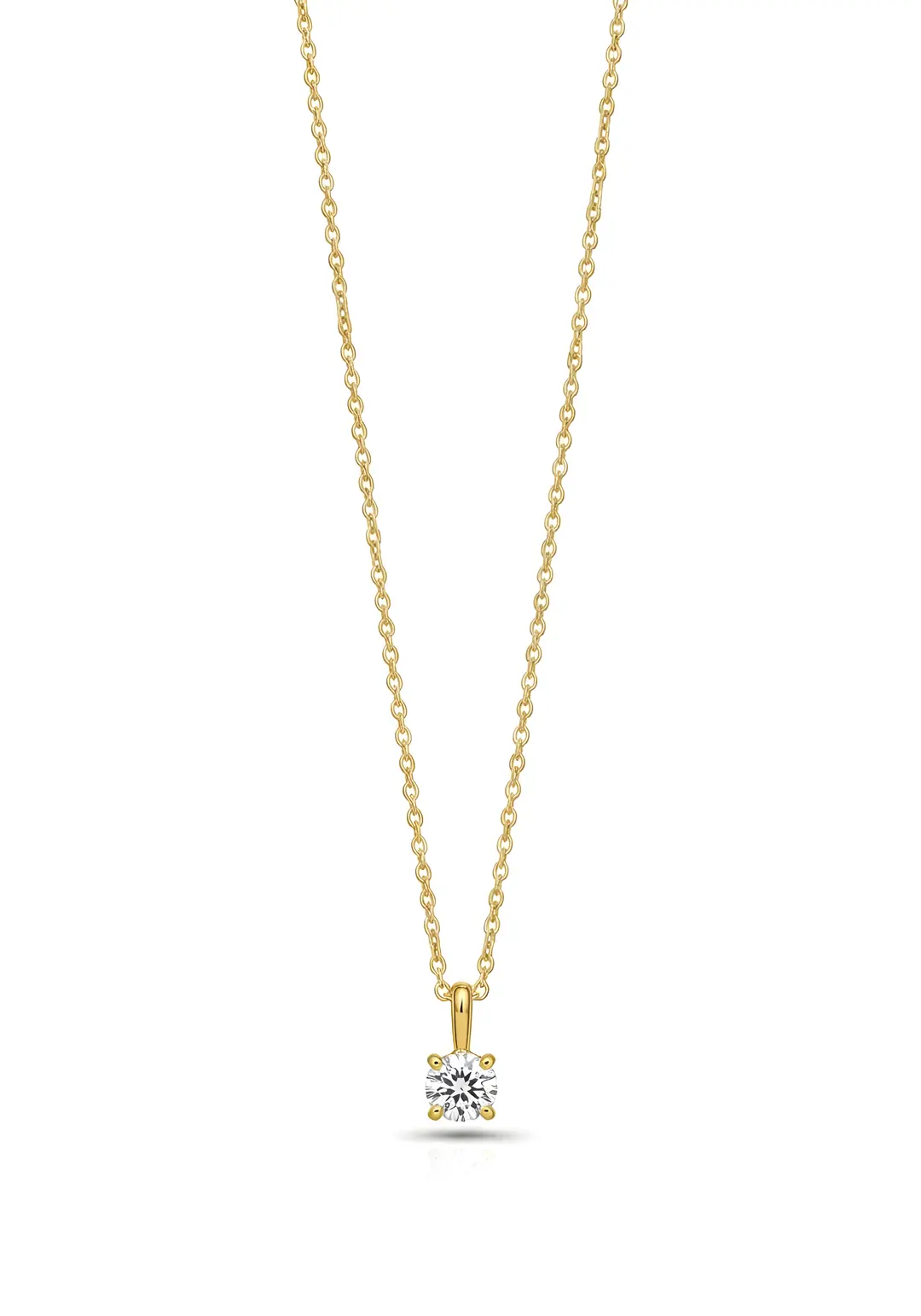
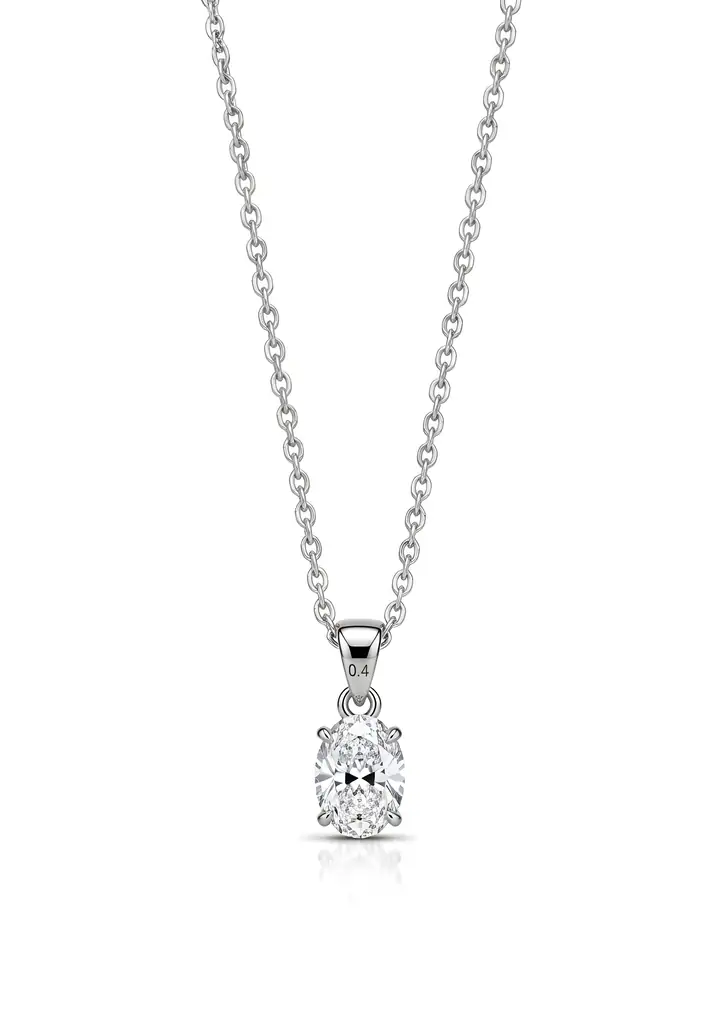
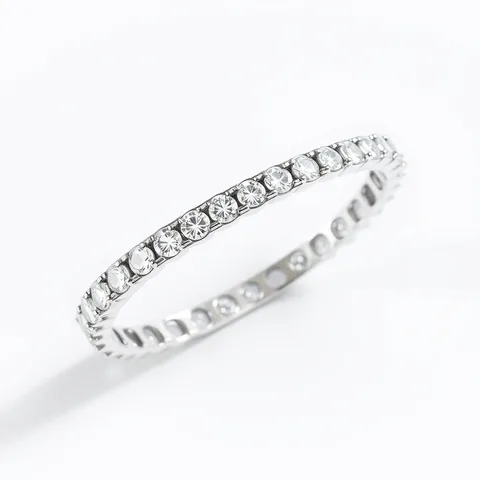
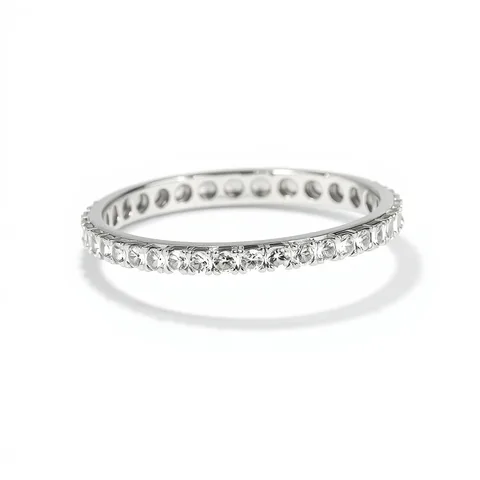
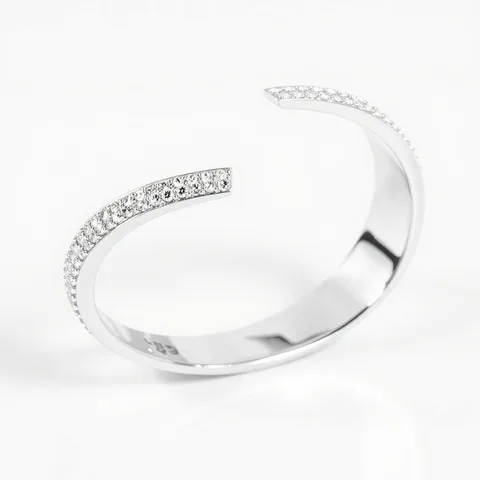
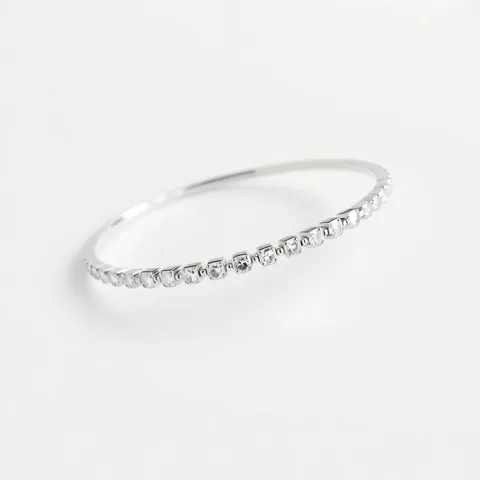
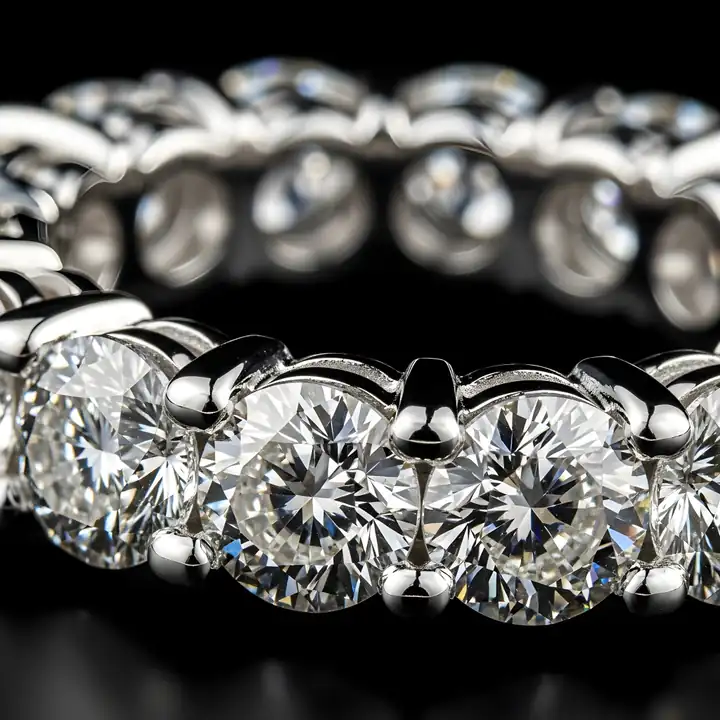
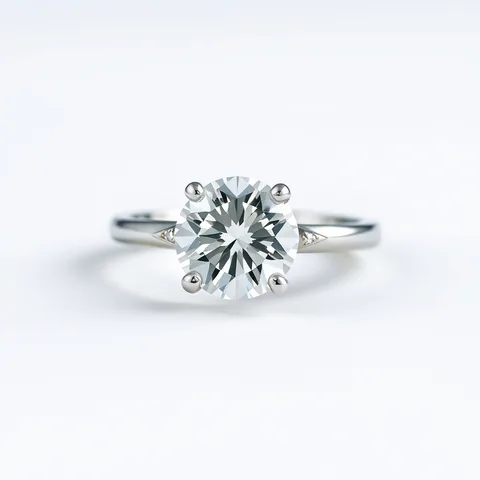
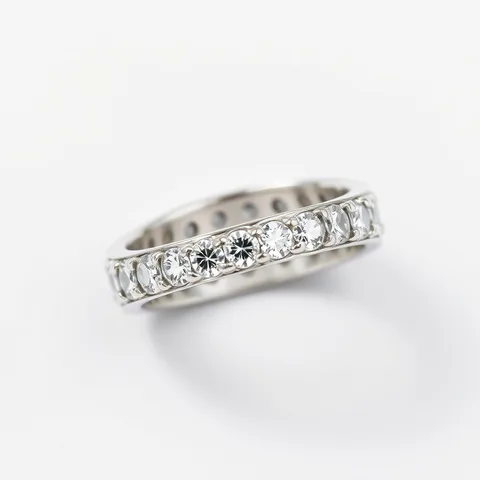
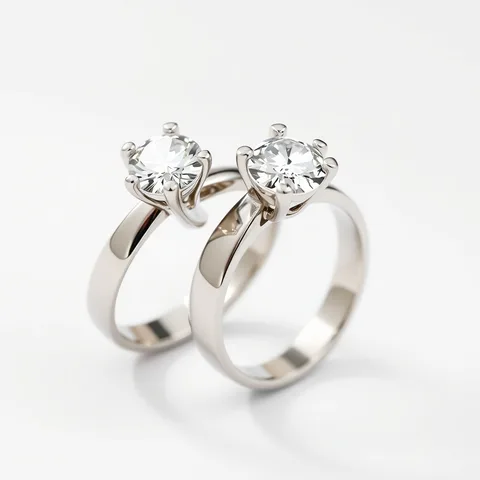
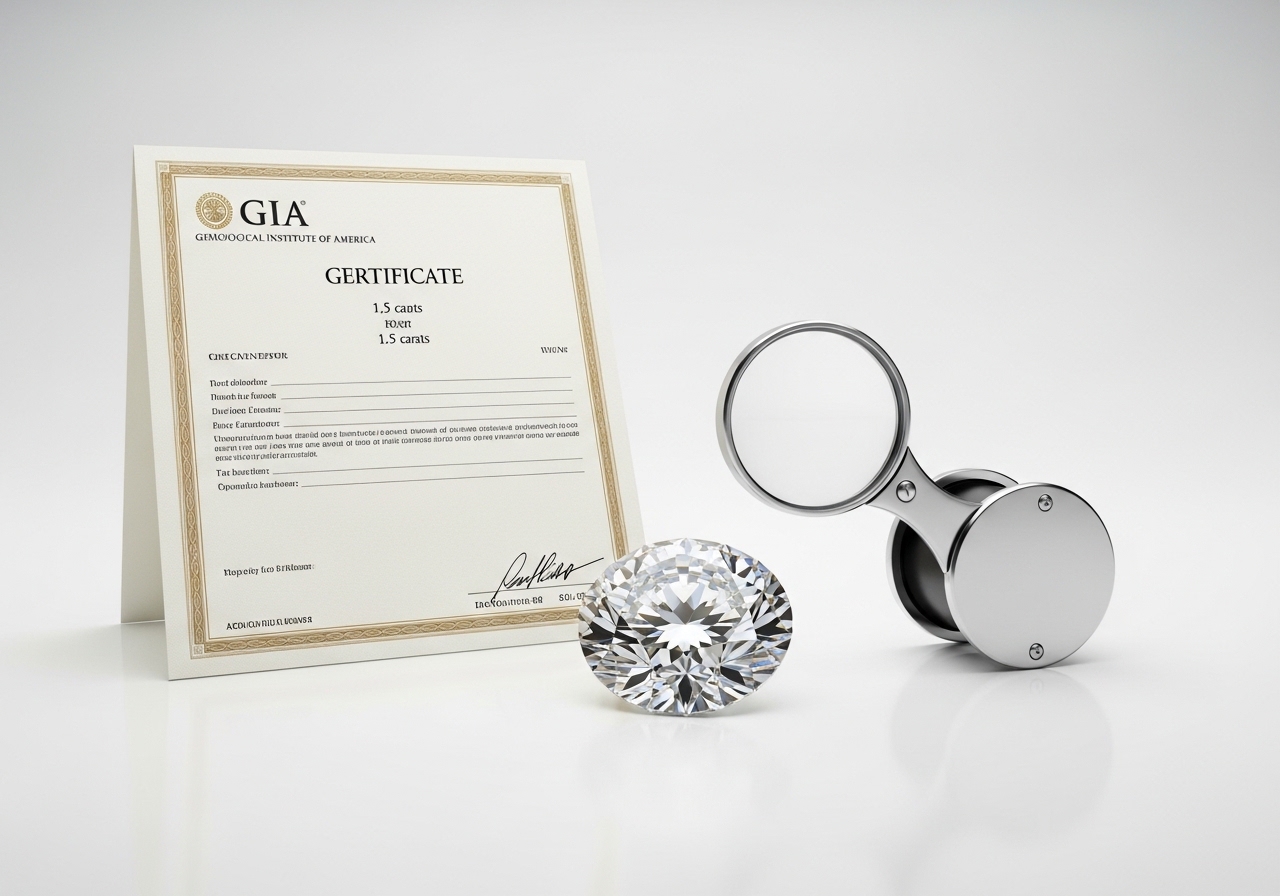


Lab-grown diamonds are now chemically identical to natural stones. So which should you choose? Here are the real pros and cons of both — objectively.
Lab-Grown vs Natural Diamonds: What's the Real Difference?
One of the most debated topics in the jewelry world today: are lab-grown diamonds real? The short answer: Yes, they are. They are chemically, physically, and optically identical to natural diamonds. The difference lies in their origin and price.
How Are They Made?
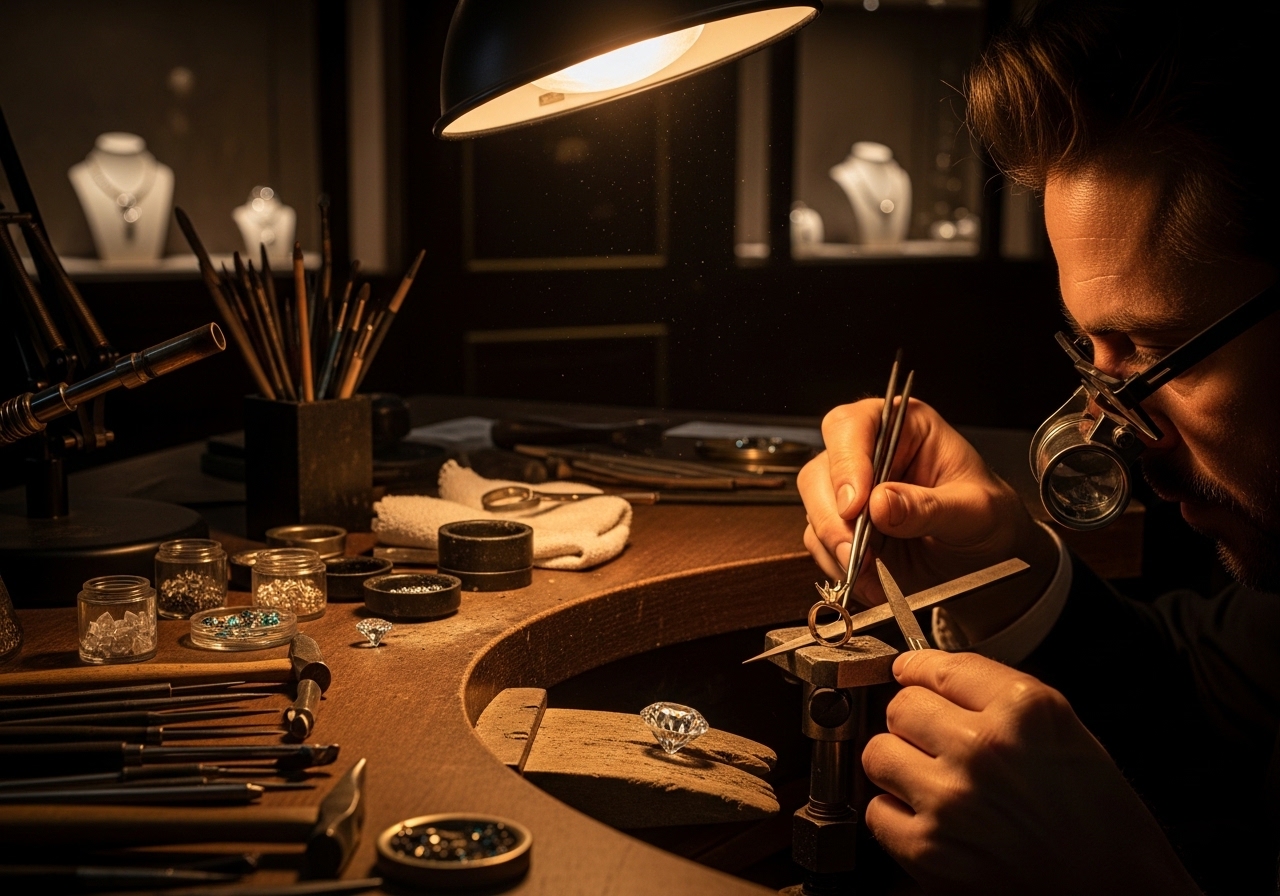
Lab diamonds are produced via two methods:
1. HPHT (High Pressure High Temperature)
Mimicking nature's billion-year process, a tiny diamond seed is exposed to extreme pressure and heat in a carbon-rich environment. The result: a crystal structure identical to natural diamond.2. CVD (Chemical Vapor Deposition)
A diamond seed is placed in a chamber filled with carbon-rich gases. The gases are ionized, causing carbon atoms to deposit onto the seed layer by layer. CVD offers finer control over the process.Is the Price Difference Really That Significant?
Yes. As of 2026, for stones with equivalent 4C grades:
| Feature | Natural Diamond | Lab Diamond |
| 1 ct, D, VVS1, Excellent | ~₺350,000–₺450,000 | ~₺70,000–₺110,000 |
| Price advantage | Reference | 70–80% less expensive |
| GIA certification | Yes | Yes (separate report type) |
| Value in 10 years | Relatively stable | Declining rapidly |
Advantages of Natural Diamonds
1. Investment Value
Natural diamonds — especially rare colors and clarities — tend to hold or increase in value over time. High-quality natural diamonds can function as a store of wealth.2. Origin Story
Every natural diamond formed billions of years ago deep within the Earth, and carries its own unique geological history. For many buyers, this story carries emotional and symbolic weight.3. Resale Market
Natural diamonds sell much more easily and at higher prices in secondary markets.4. Collectibility and Legacy
Rare cuts, rare colors (fancy vivid yellow, pink, blue), and historic diamonds exist only as naturals. Lab alternatives don't exist for this segment.Advantages of Lab Diamonds
1. Same Sparkle, Much Lower Price
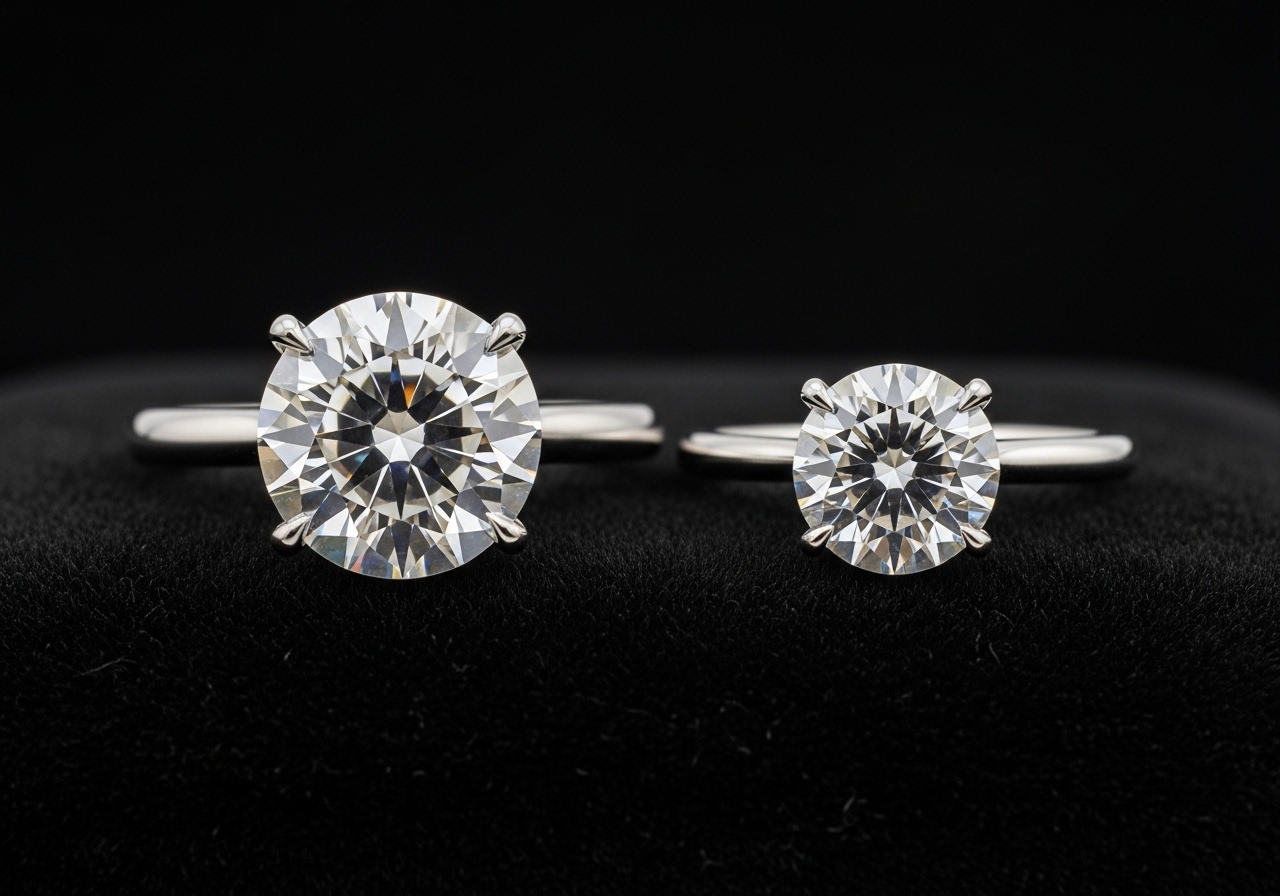
For the same budget, you can get a significantly larger or higher-quality stone than with a natural diamond. A 2 ct lab diamond can cost the same as a 0.5 ct natural.2. Clearer Supply Chain
The mining origin of natural diamonds is sometimes controversial ("blood diamond" concerns). Lab diamonds have a transparent origin — no mines, no regions, no ethical concerns.3. Environmental Impact
Diamond mining causes significant ecological damage: land disruption, water pollution, carbon emissions. Lab production eliminates much of this harm, though energy consumption should still be considered.4. Chemically Identical
Even expert gemologists cannot distinguish a lab diamond from a natural one with the naked eye or standard equipment. Only specialized spectroscopy can make this distinction.Who Should Choose Which?
Choose natural diamond if:
- You view your jewelry as a long-term investment or intergenerational legacy
- The authenticity of something "from nature" carries emotional meaning for you
- You're seeking rare fancy colors or large carats
- You want to stretch your budget toward a larger or higher-quality stone
- Minimizing your environmental footprint is a priority
- You're buying for everyday pieces like necklaces or earrings where investment value is secondary
- You're drawn to a young, modern aesthetic
Our Approach at Pırlanta Ustası
We offer both natural and lab-grown diamond options. Regardless of your preference, all our stones come with GIA or IGI certification and are delivered with a transparent information card. Share your preferences, budget, and intended use with us — and we'll help you find the right choice together.
Remember: The best diamond is the one that's right for you.

