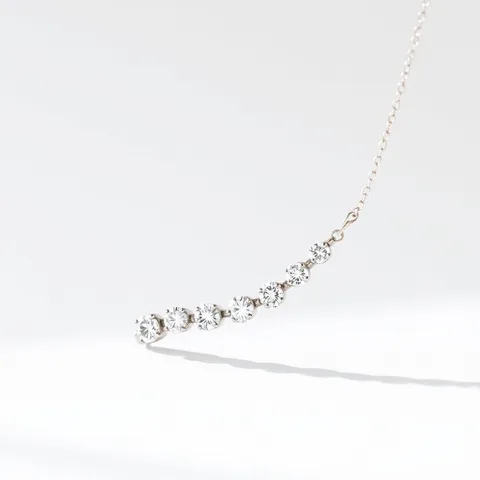
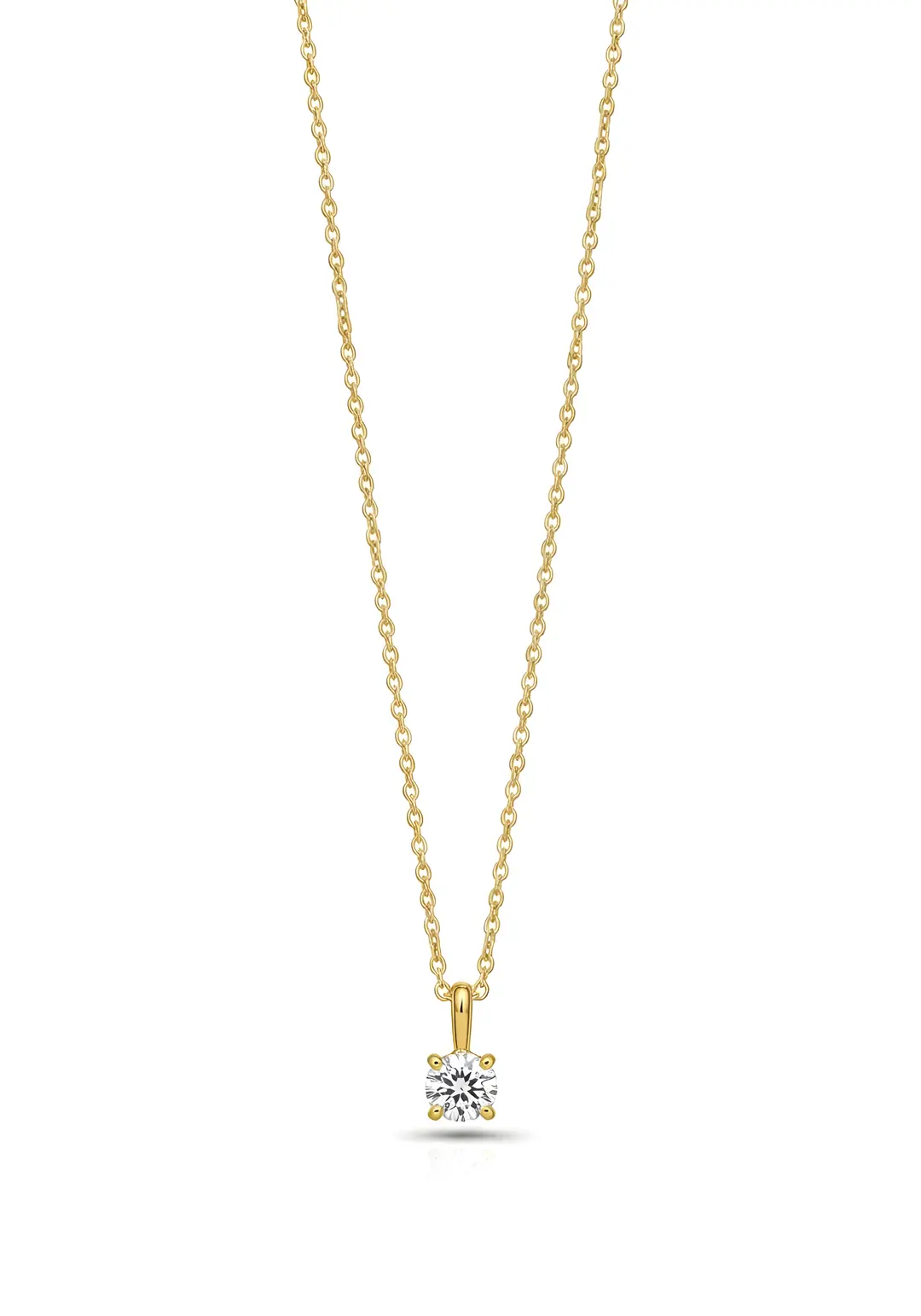
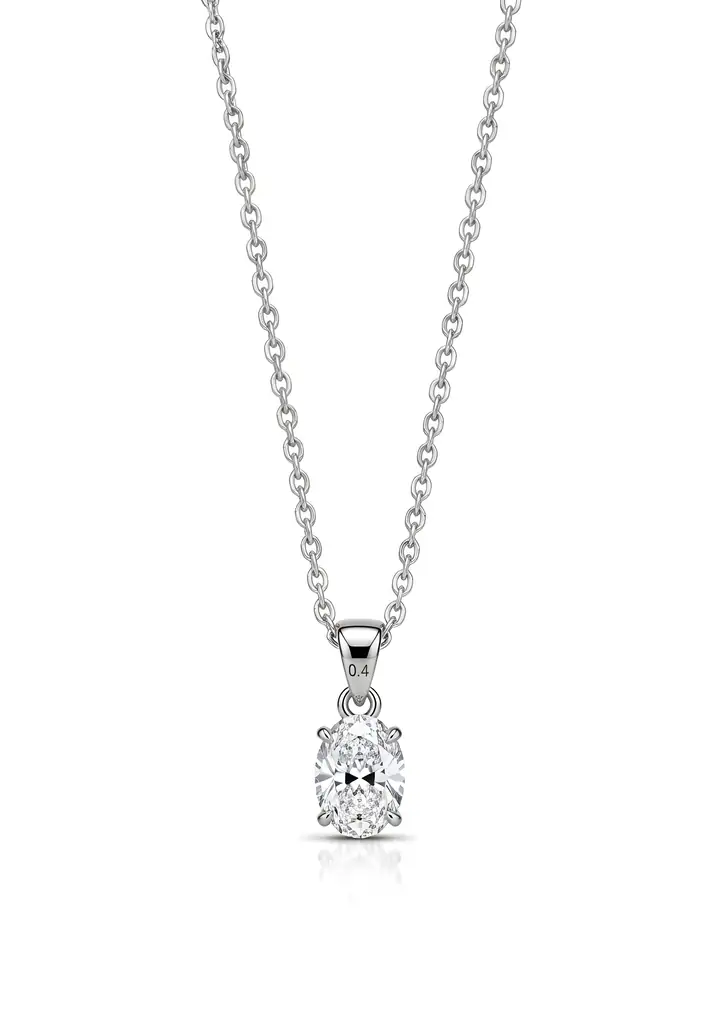
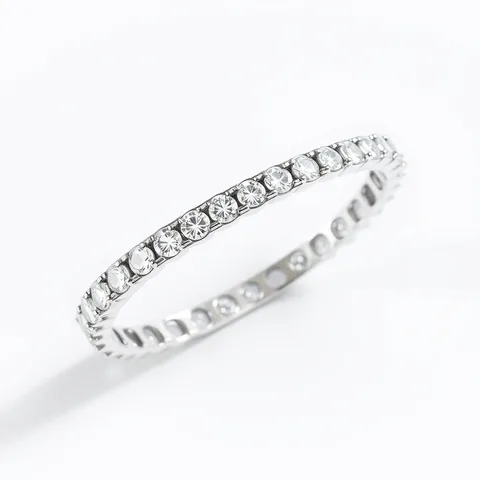
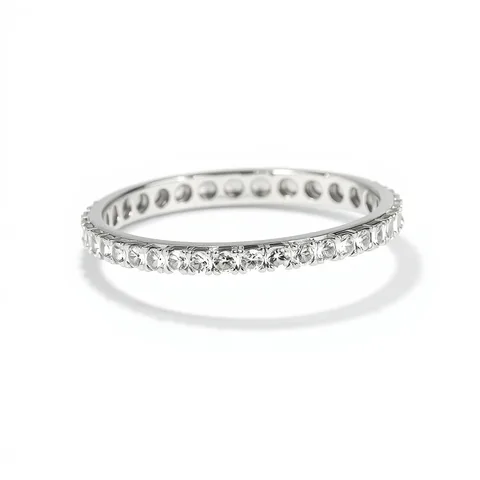
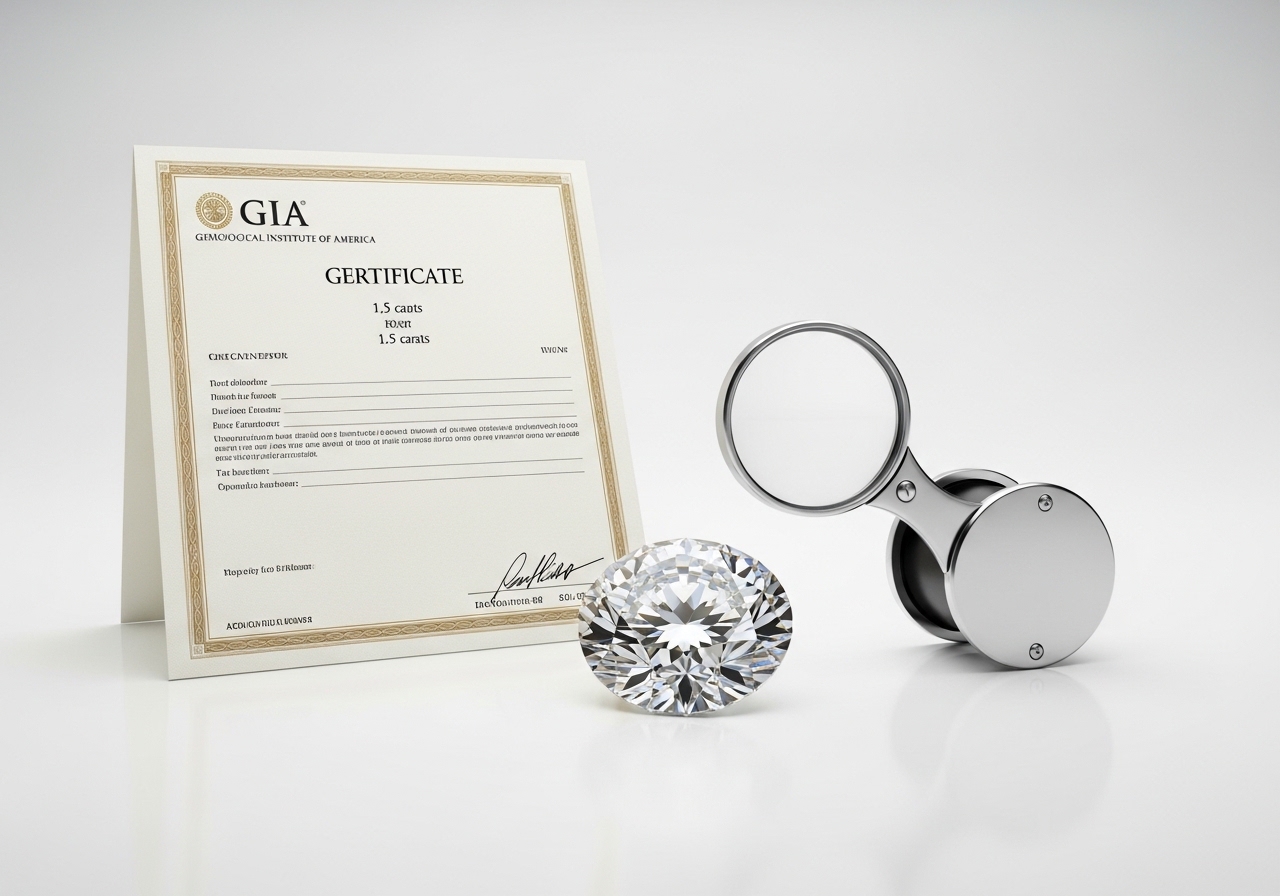


Moissanite is increasingly recommended as a "diamond alternative." But how similar are they really? We compare every key attribute side by side.
What Is Moissanite?
Moissanite (silicon carbide, SiC) is a rare mineral first discovered in a meteor crater in 1893. Natural moissanite is extremely rare, so virtually all moissanite sold today is lab-created. In recent years, it has gained significant traction as a "diamond alternative."
But how similar are they, really?
Visual Comparison
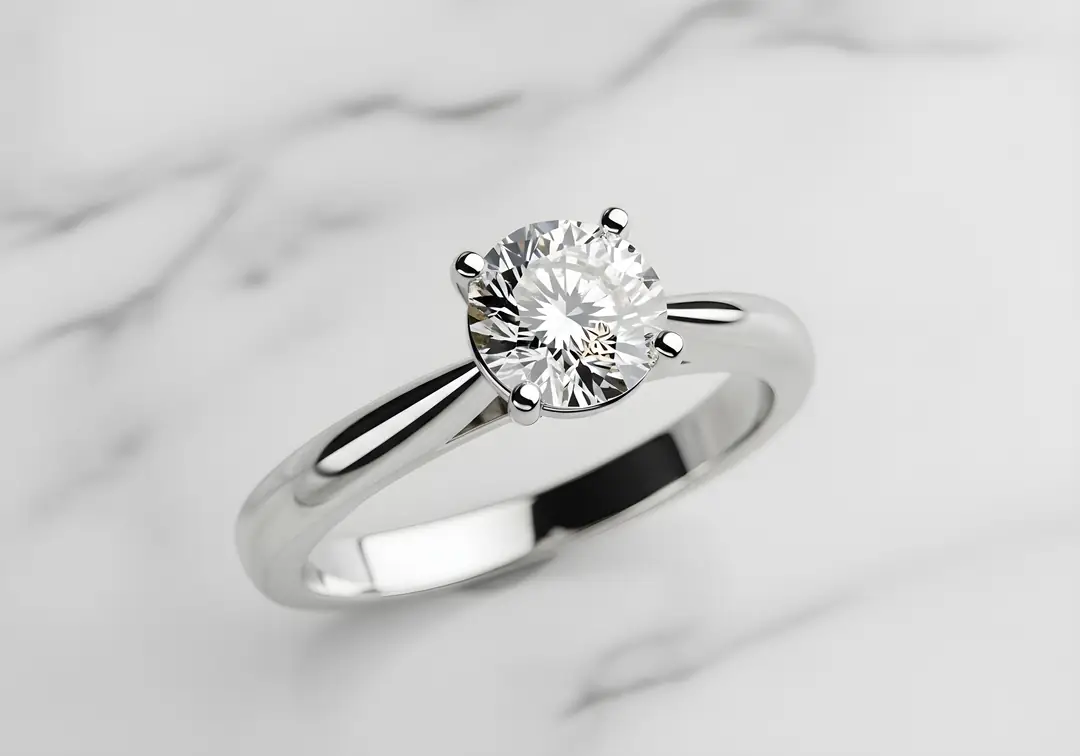
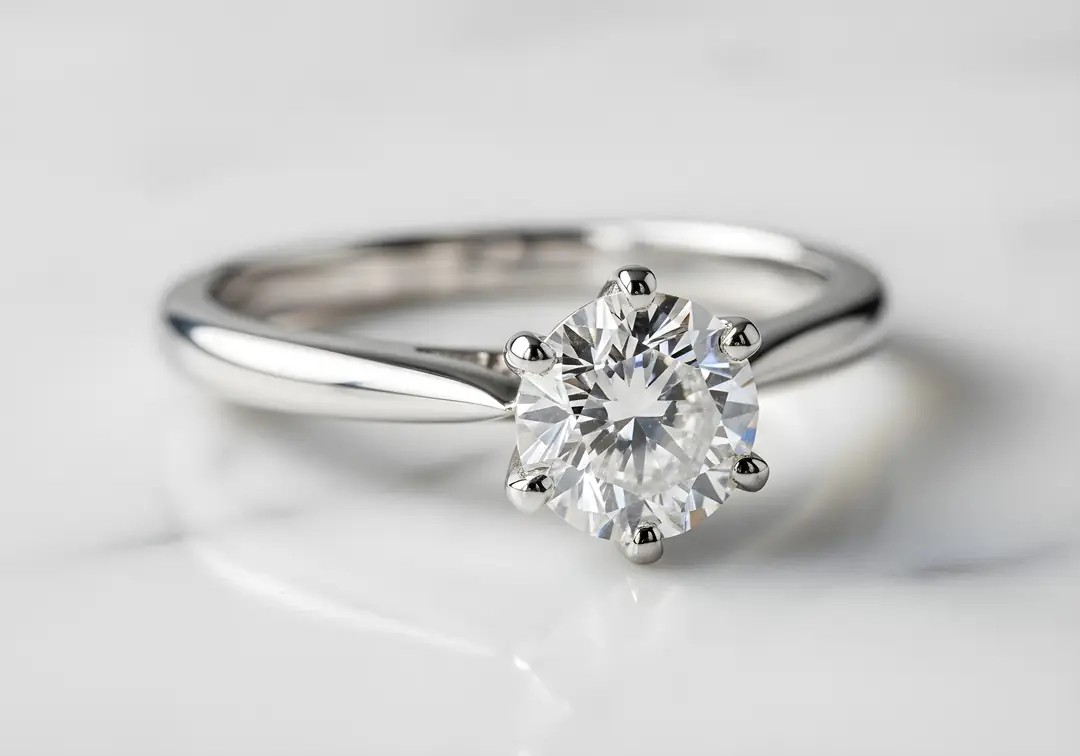
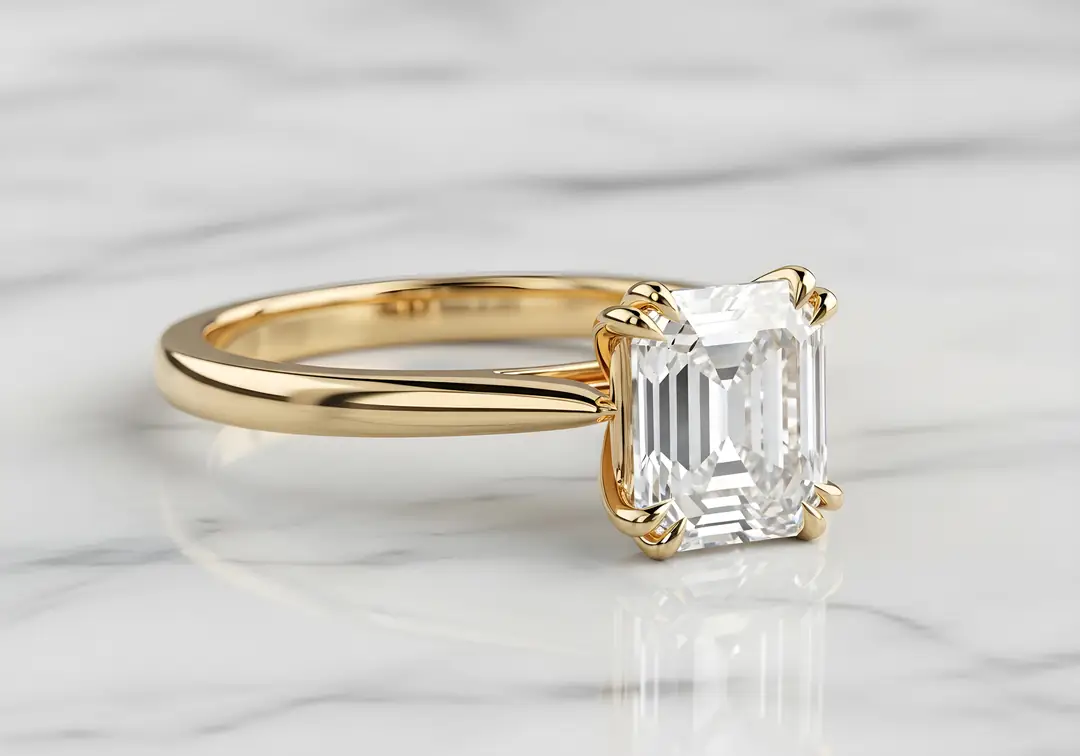
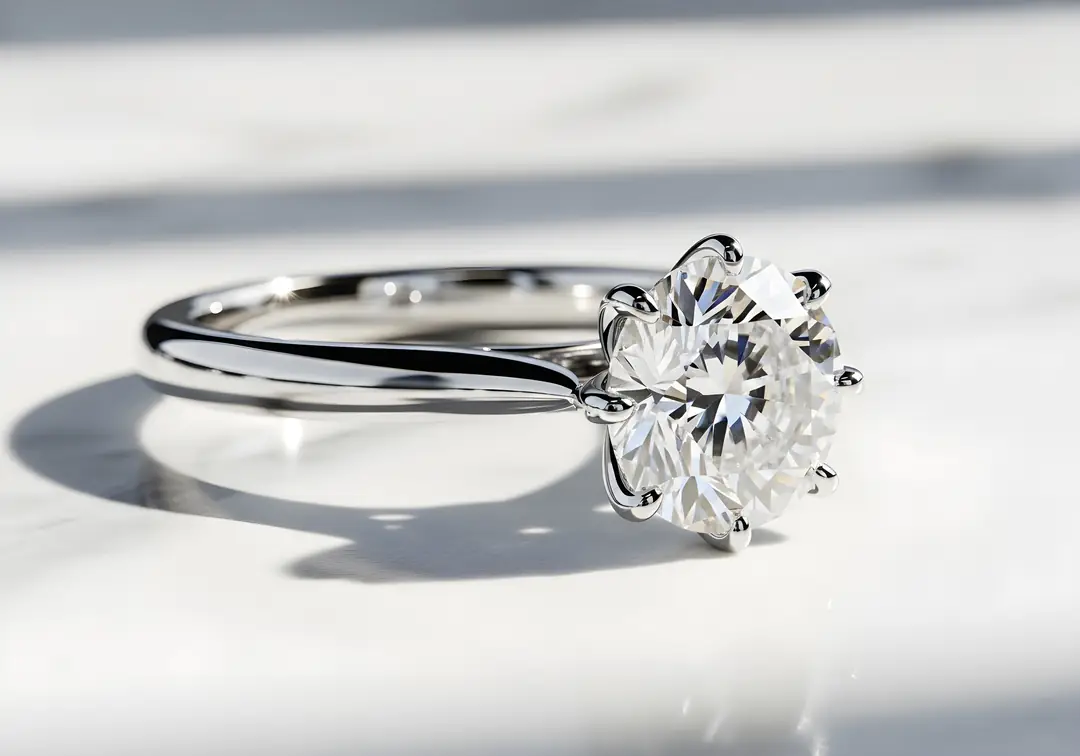
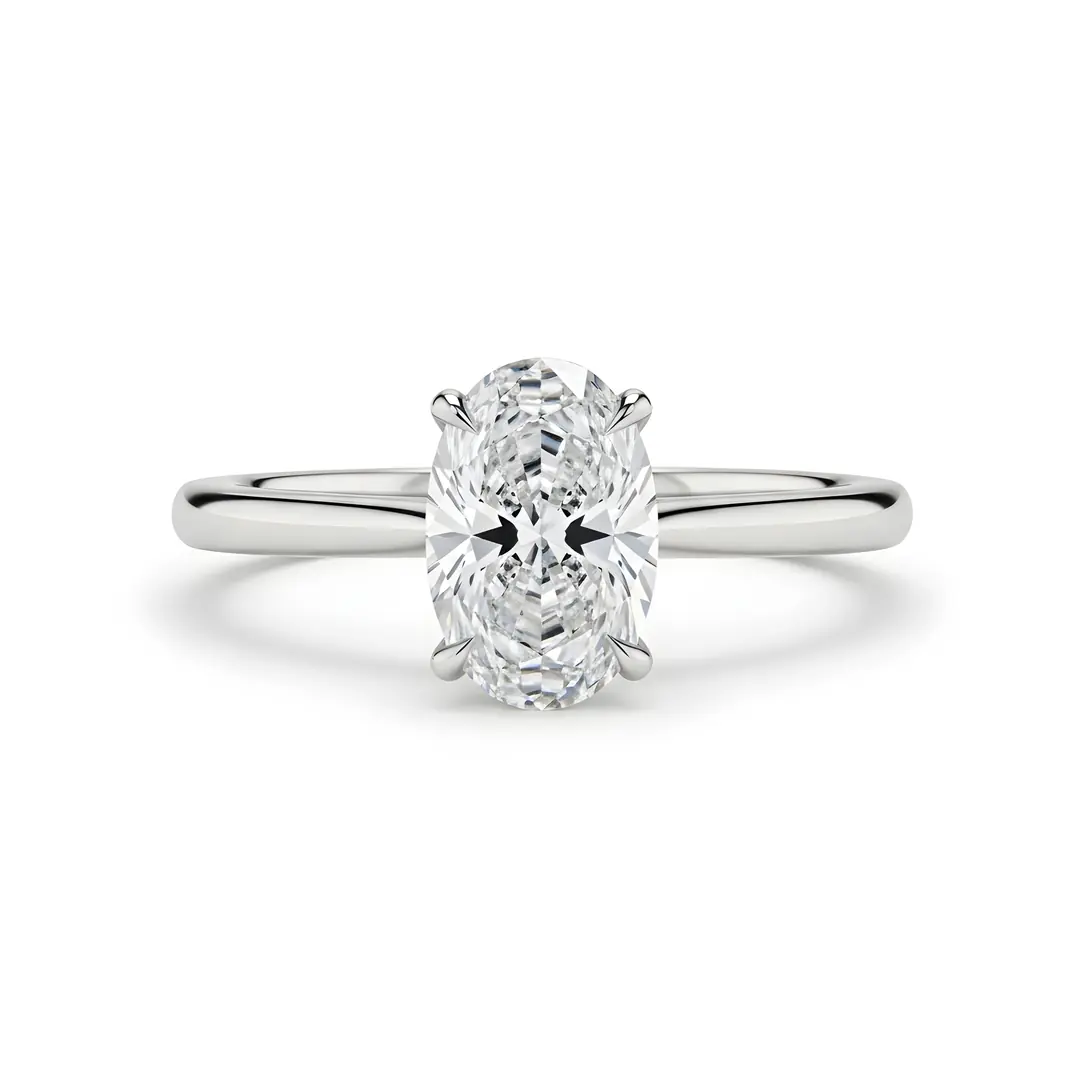
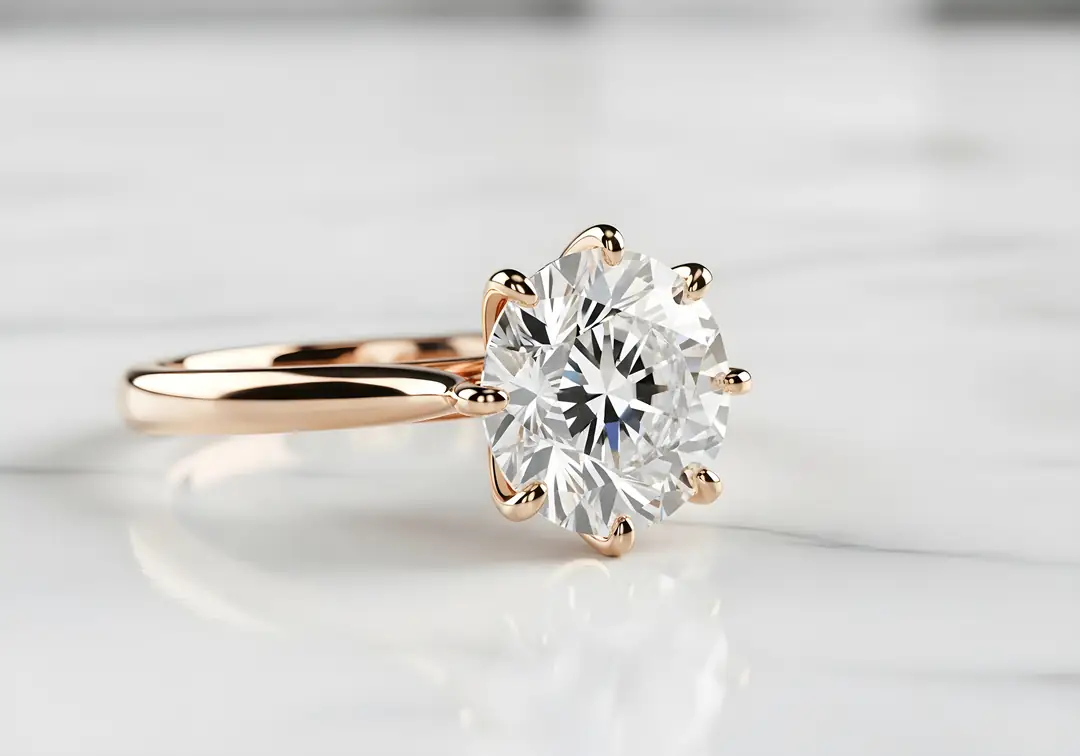
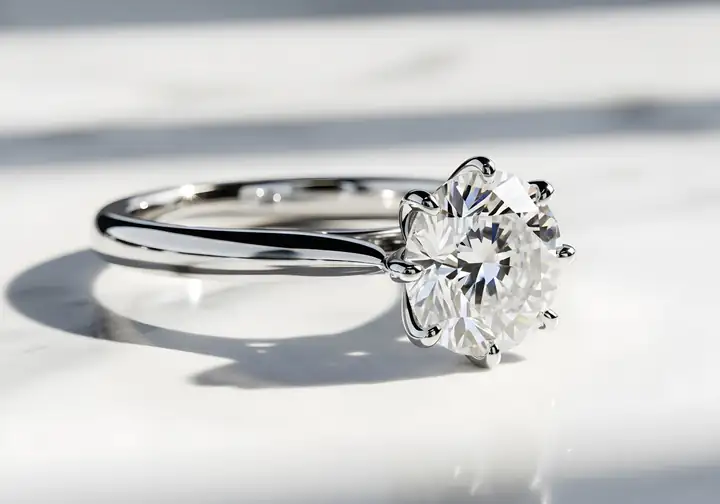
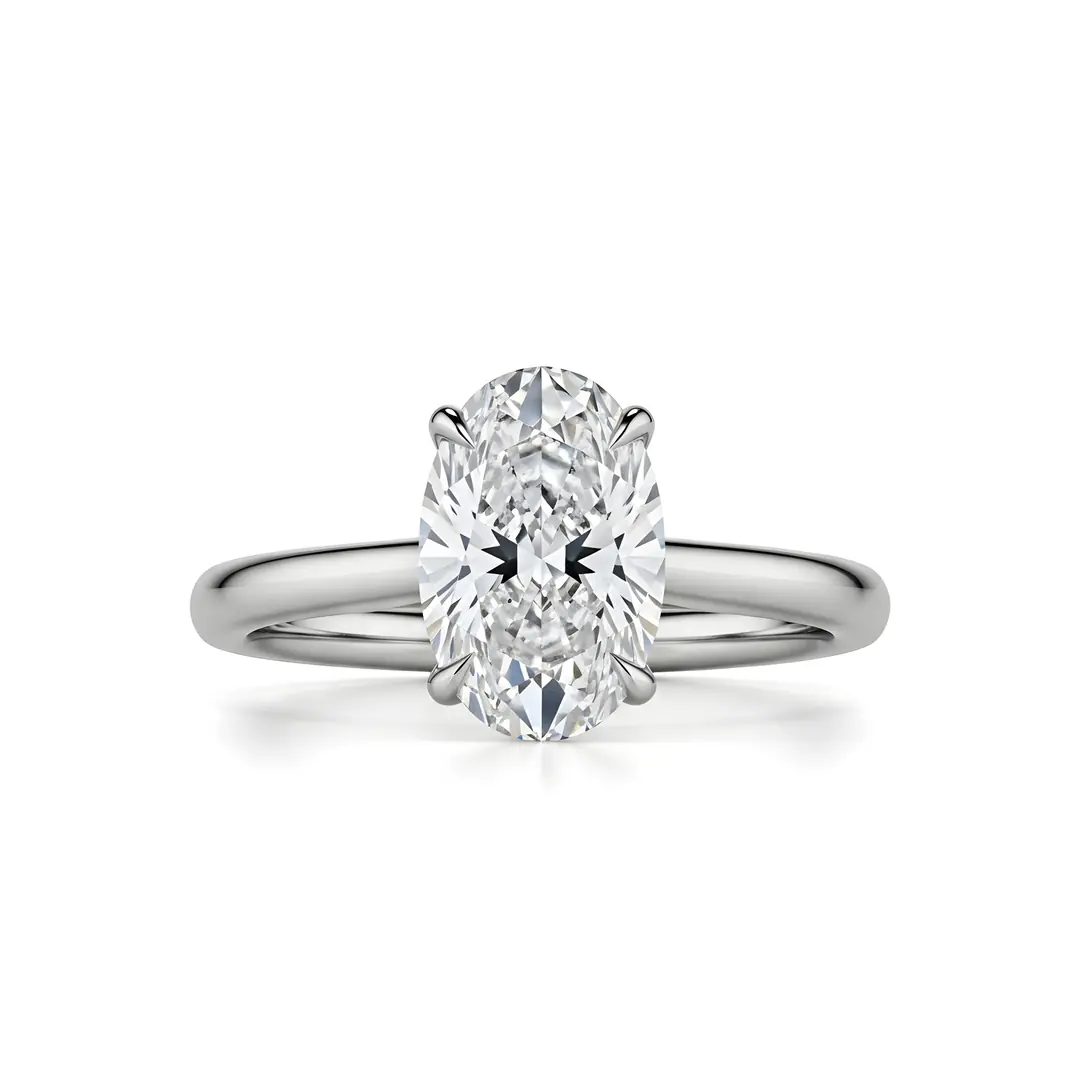
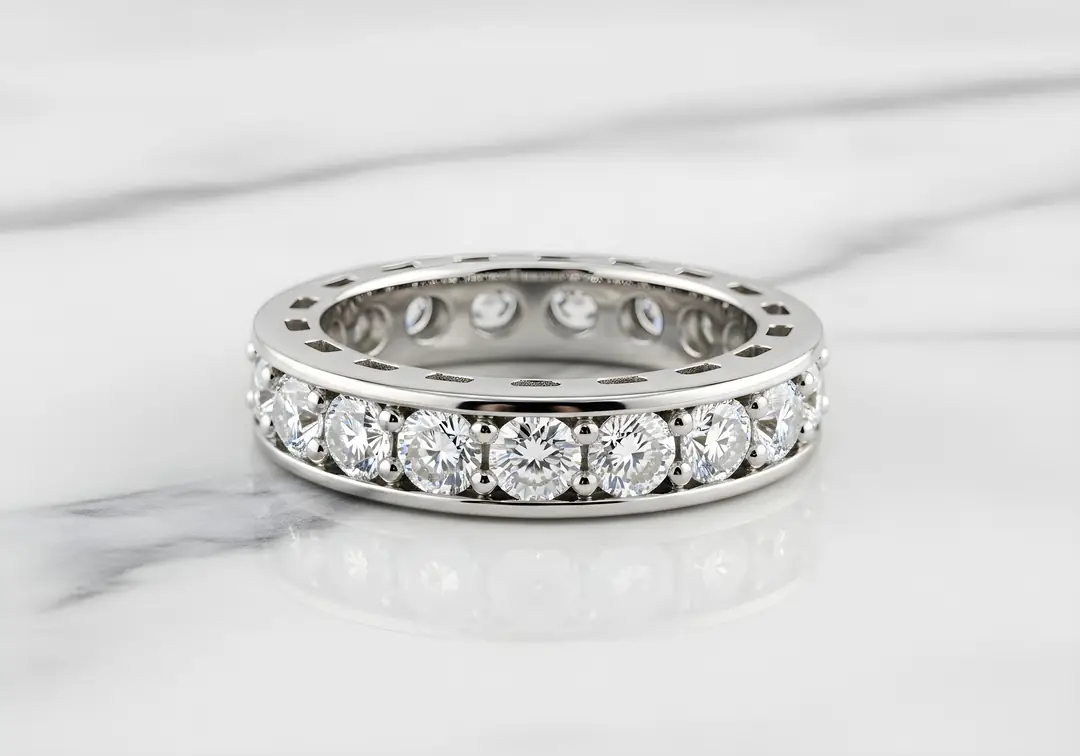
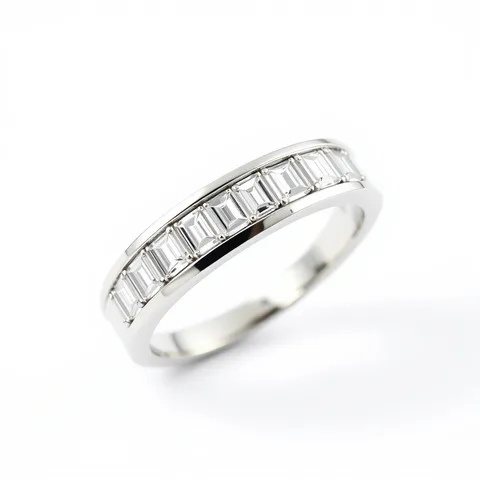
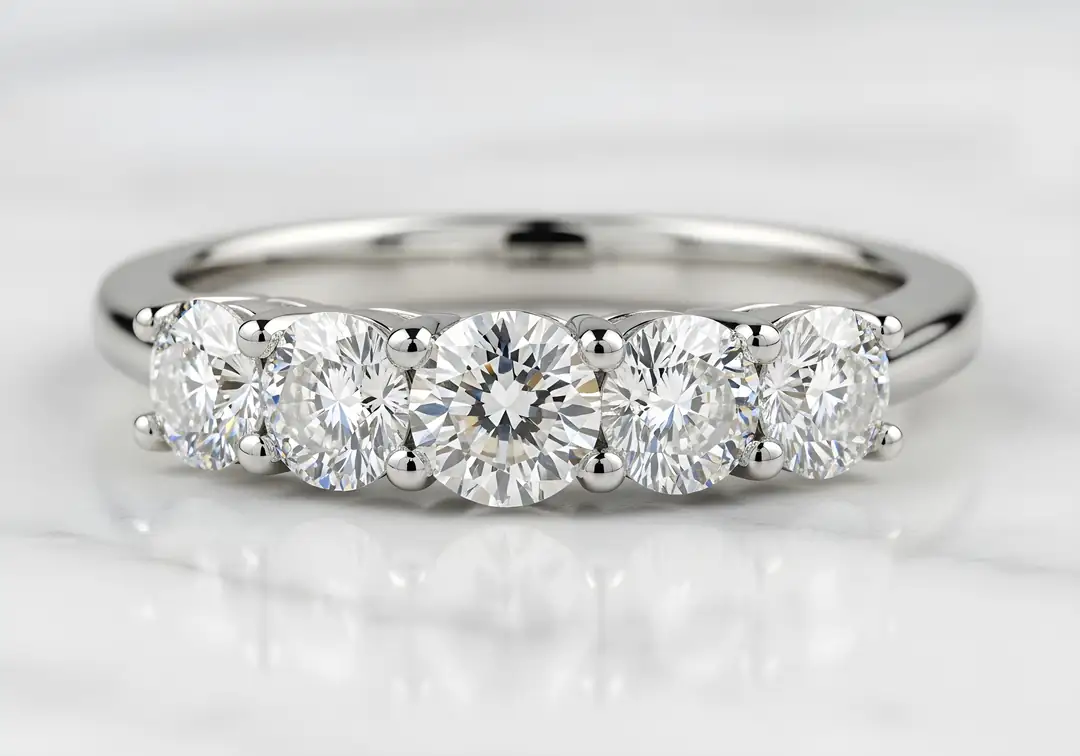
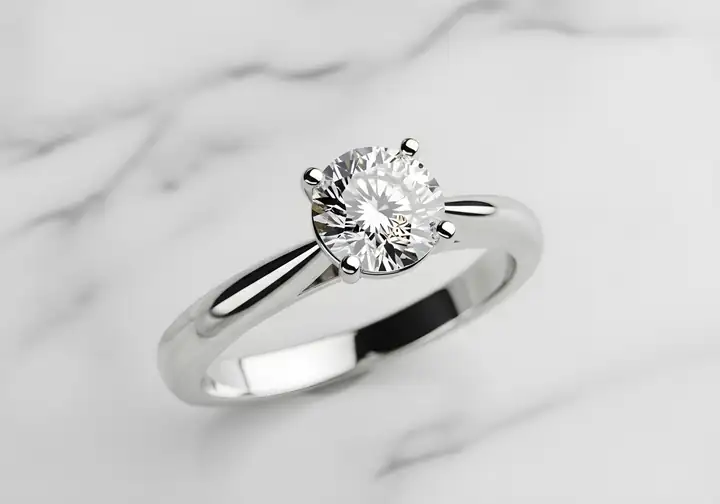
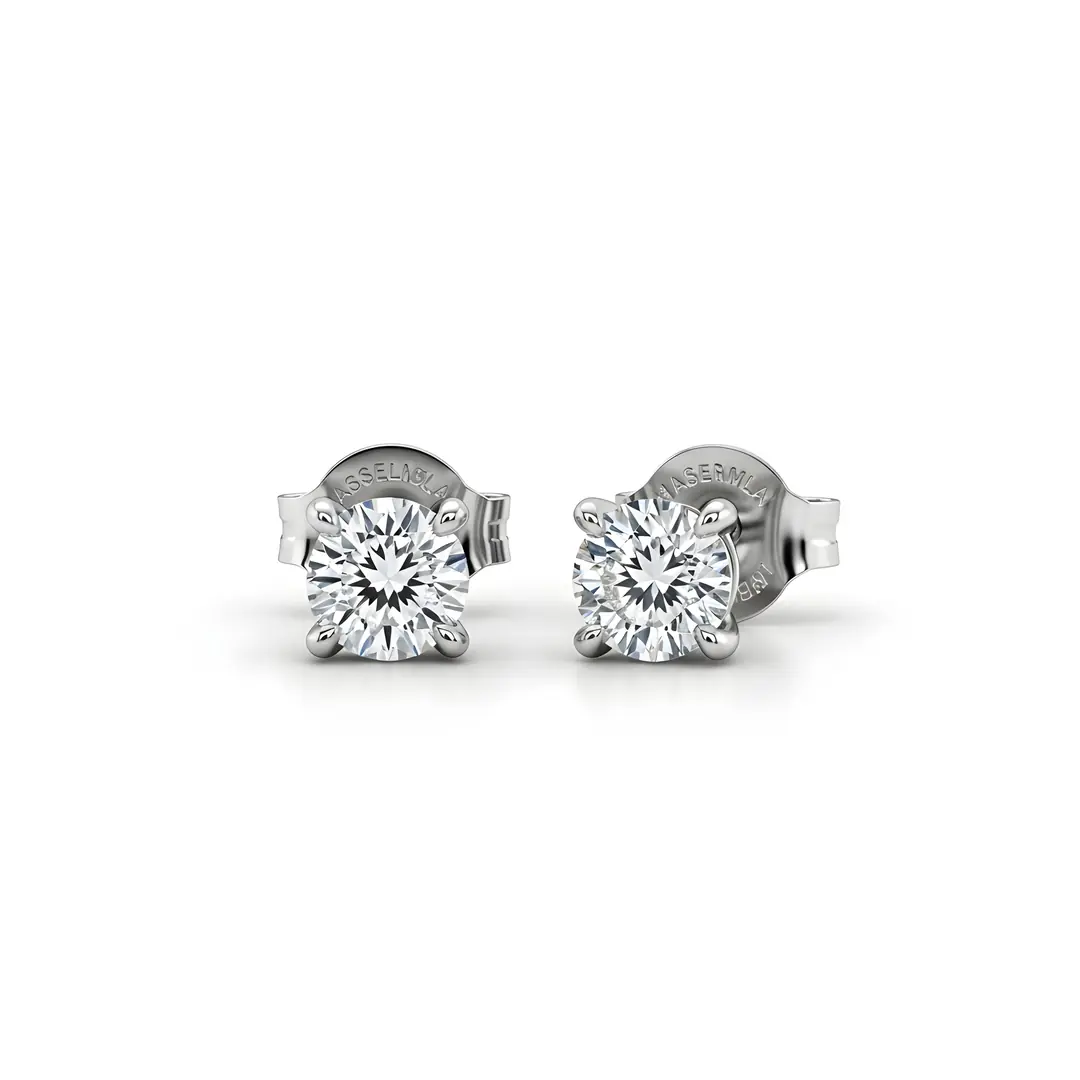
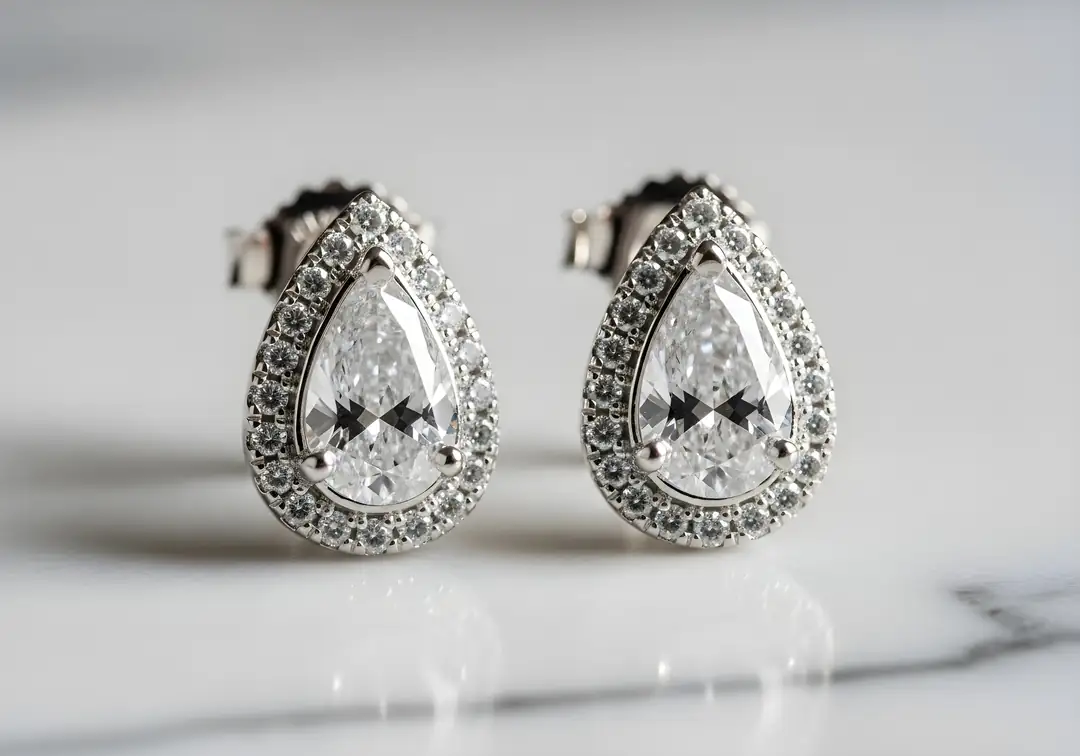
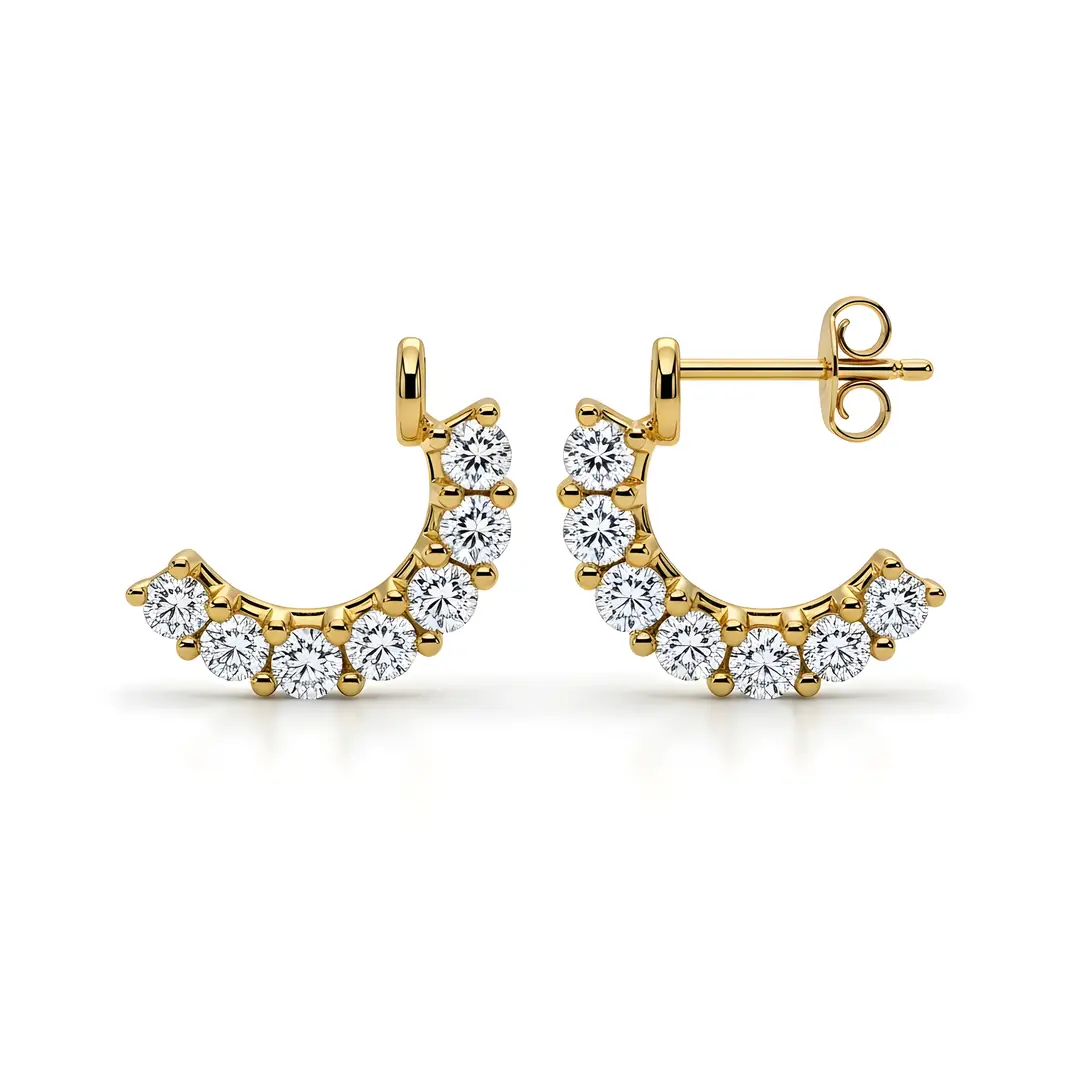
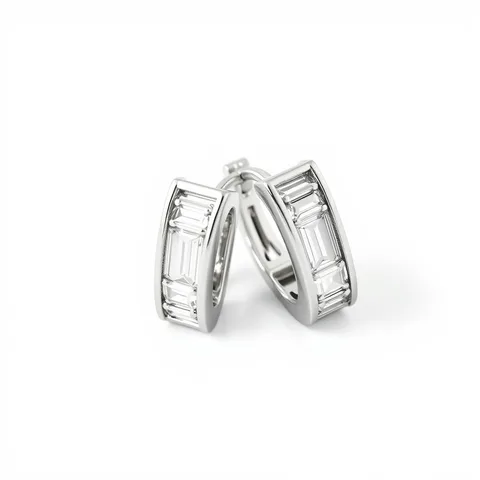
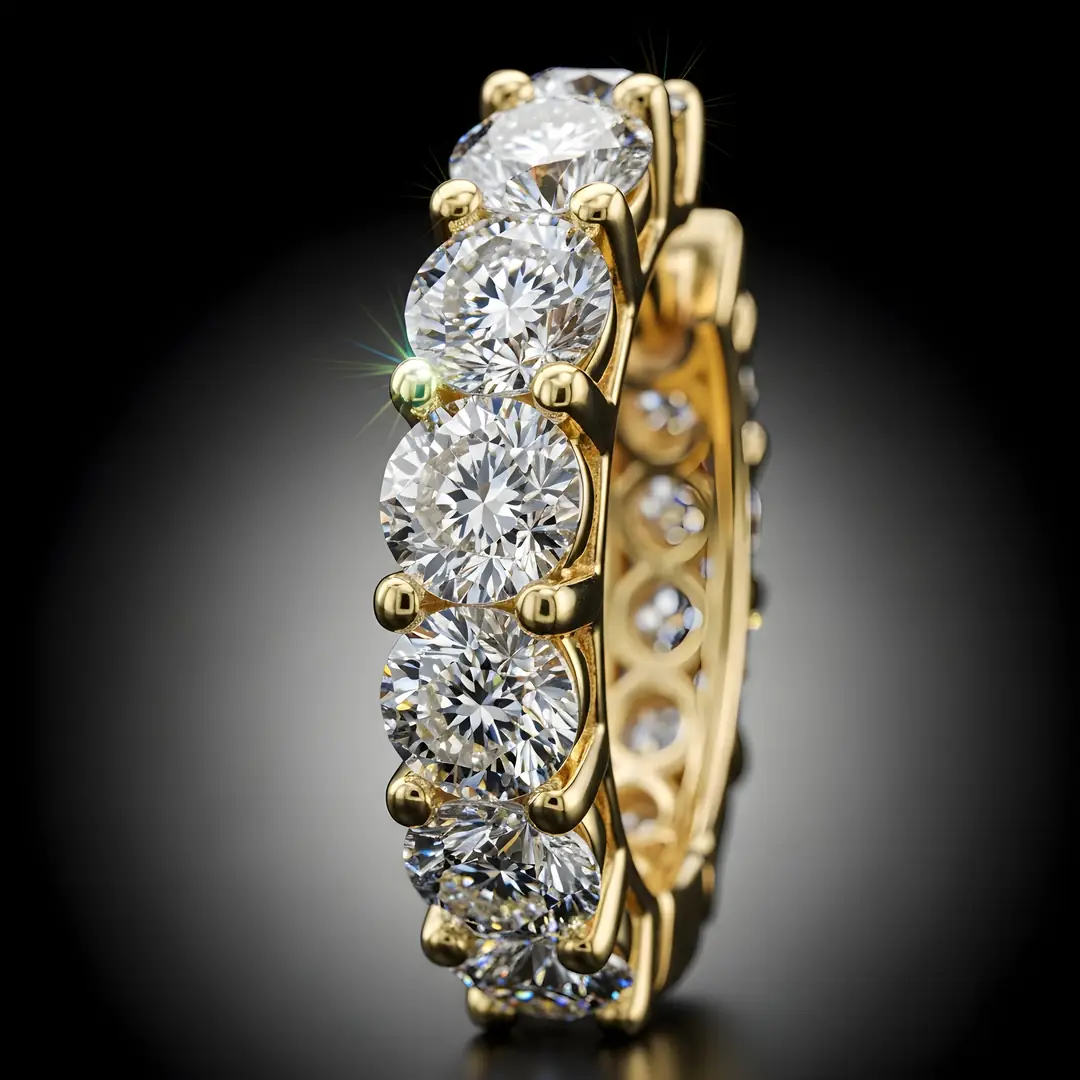
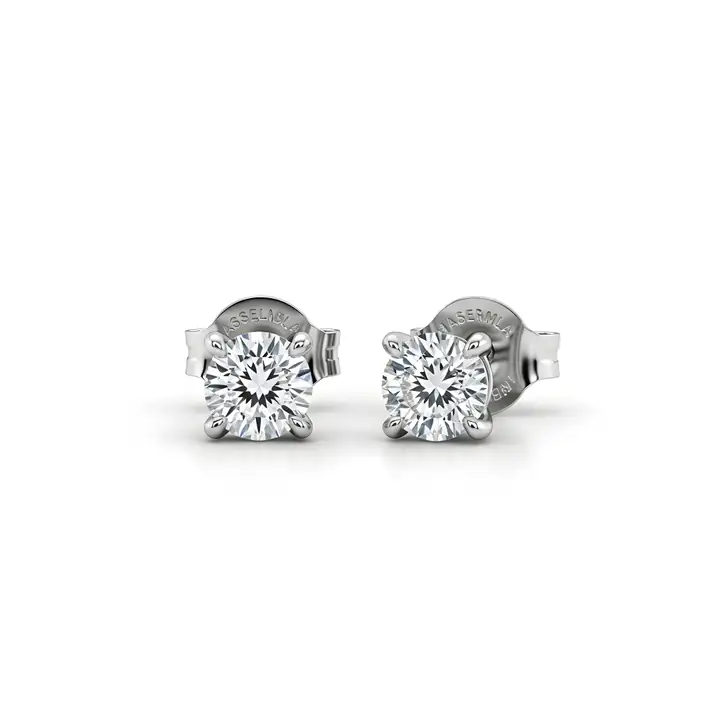
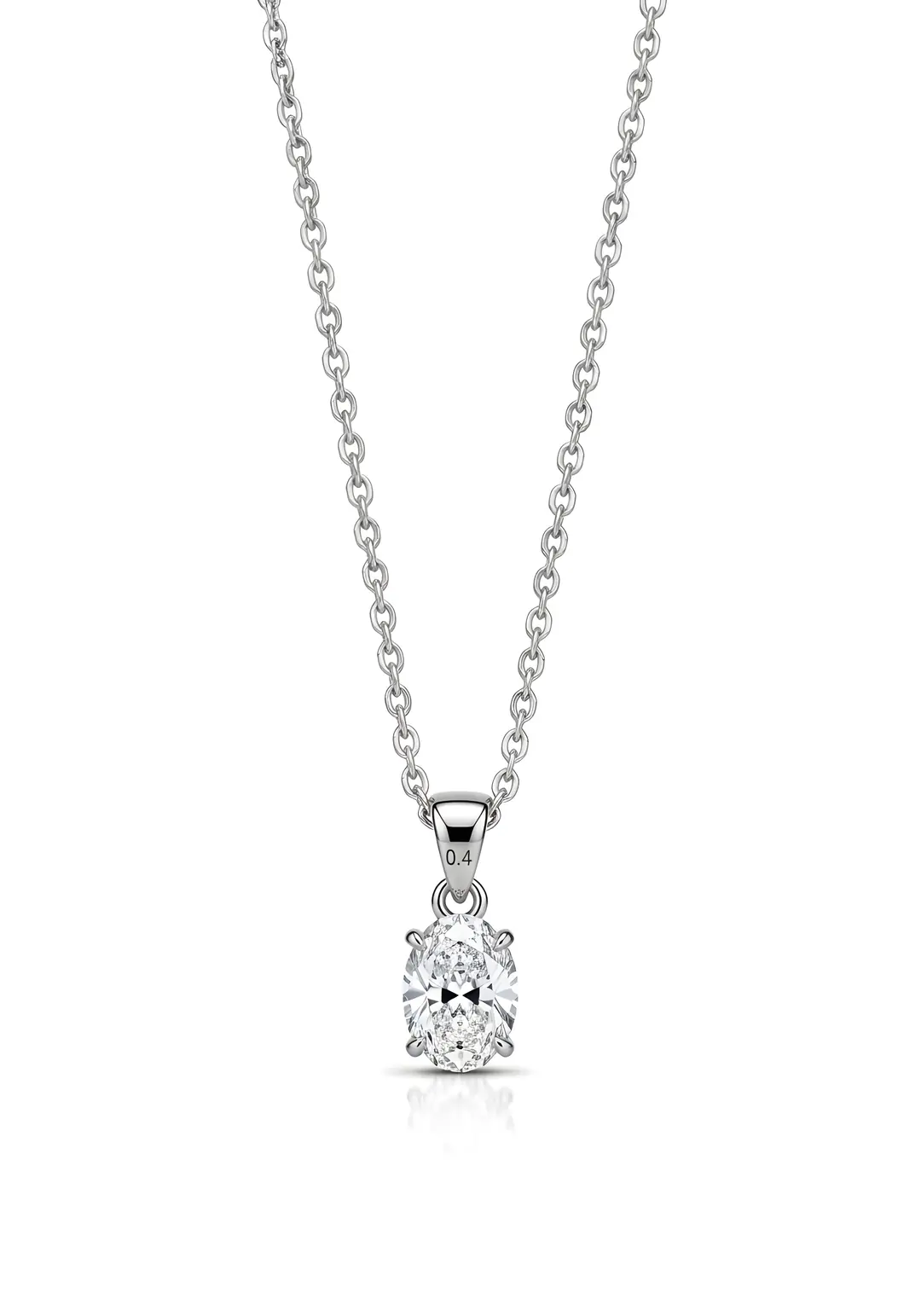
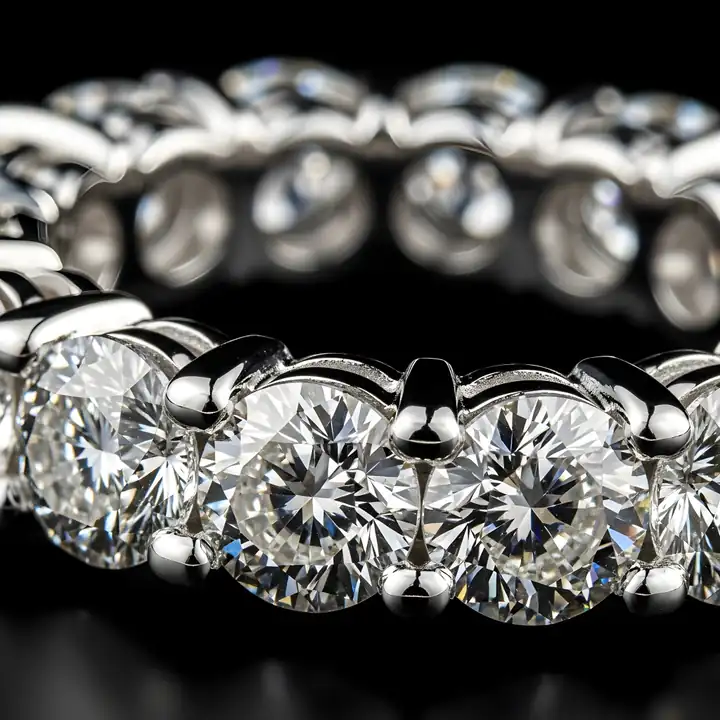
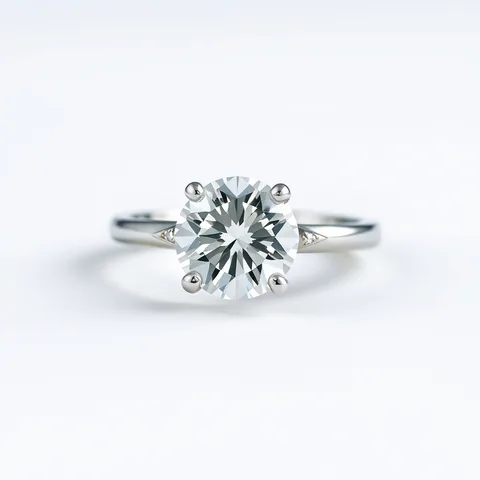
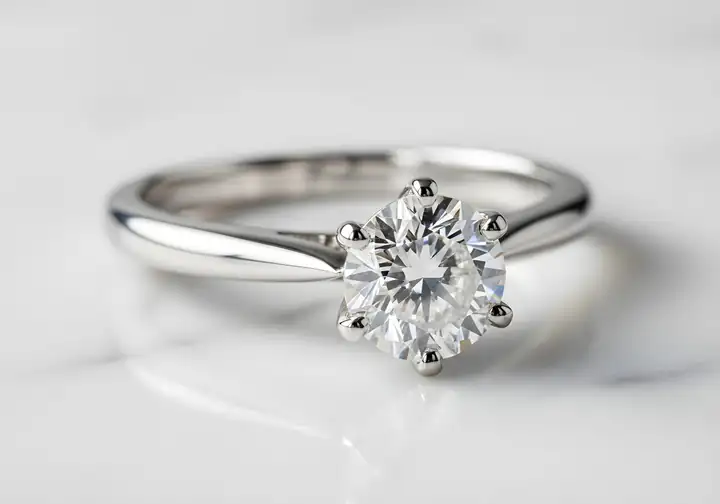
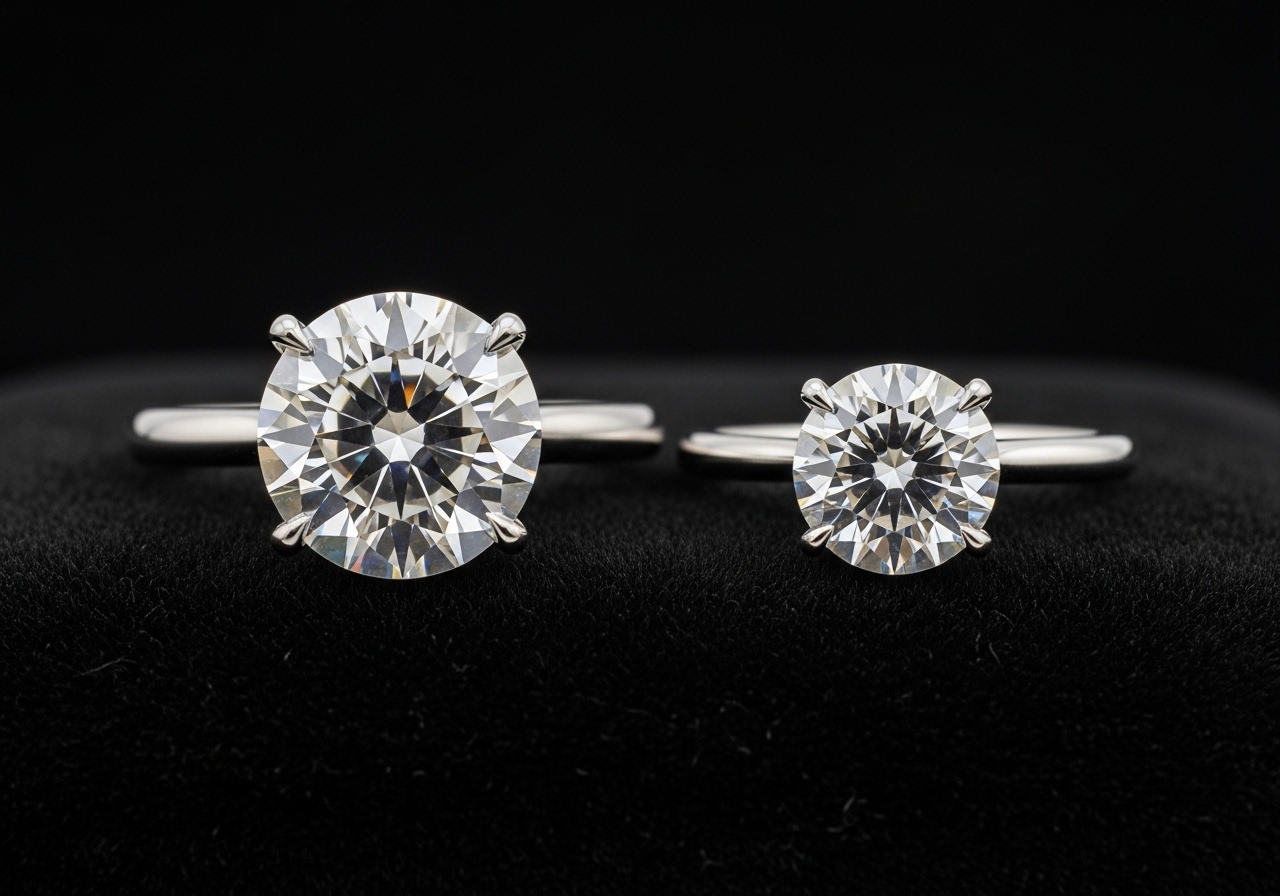
The two stones look very similar — but a trained eye can tell:
Brilliance: Diamonds produce superior white light reflection (brilliance). Moissanite produces more "flashing" rainbow colors (fire/dispersion). Some love this effect; others describe it as "too sparkly" or artificial-looking.
Color: Most moissanite can show a faint yellow or greenish tint under certain lighting, particularly noticeable in larger stones.
Under magnification: Moissanite has a characteristic doubling of facets (birefringence) that an experienced gemologist can spot easily. Note: standard diamond testers may read moissanite as diamond — a dedicated moissanite tester is needed for certainty.
Hardness Comparison
| Property | Diamond | Moissanite |
| Mohs Hardness | 10 | 9.25 |
| Brittleness | Low | Low |
| Daily wearability | ✓ Excellent | ✓ Excellent |
Price Comparison
| Stone | ~1 ct Price |
| Natural diamond (D, VS1, Excellent) | ₺350,000–₺450,000 |
| Lab diamond (D, VS1, Excellent) | ₺70,000–₺110,000 |
| Moissanite (colorless, 1 ct equivalent oval) | ₺5,000–₺15,000 |
Value and Resale
- Natural diamond: Long-term value retention, strong resale market
- Lab diamond: Declining value trajectory, but GIA/IGI certification enables some resale
- Moissanite: Resale value is essentially zero; difficult to sell as "jewelry" in secondary markets
Ethical and Environmental Angle
Moissanite's entire lifecycle takes place in a lab — no mining involved. From an environmental impact perspective, it's the lowest-footprint option of the three.
Lab diamonds also avoid ethical sourcing concerns, though their energy consumption is considerable.
Who Should Choose Moissanite?
- Very budget-constrained buyers who want a large, brilliant stone
- Those for whom investment value is not a consideration
- People prioritizing the smallest possible environmental footprint
- Those who don't mind the "is it a real diamond?" question
Who Should Choose Diamond?
- Those who want independent certification and verifiable authenticity
- Long-term value preservation or generational wealth transfer
- Emotionally significant occasions — proposals, milestone anniversaries
- Those for whom the symbolic authenticity of a natural stone matters
At Pırlanta Ustası we offer both natural and lab-grown diamonds. We do not sell moissanite — because we're committed to offering stones with certified, verifiable value to our customers.
